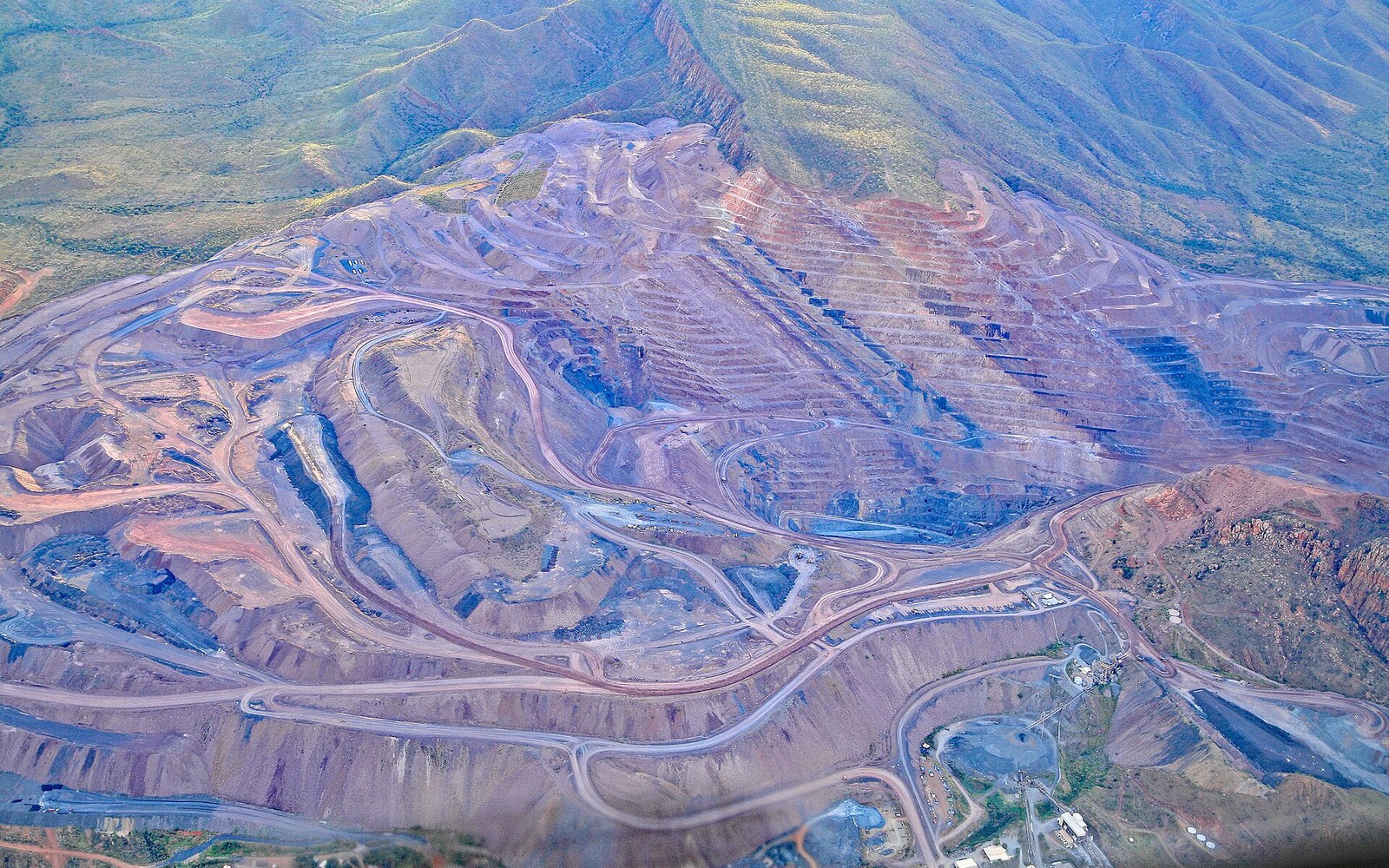
From Open Pit to Exhaustion
The Argyle mine sits in the East Kimberley region of Western Australia, operated by Rio Tinto from its commercial opening in 1983. Its host rock is an olivine lamproite pipe — geologically distinct from the kimberlite pipes that carry diamonds at Kimberley, South Africa, or the Ekati and Diavik deposits in Canada's Northwest Territories — and the distinction matters: Argyle's lamproite chemistry, combined with unusual pressure conditions during emplacement, produced a suite of coloured diamonds found nowhere else at comparable volume.
For most of its operational life, Argyle was mined as an open pit. By the early 2010s the economically accessible surface ore was depleted, and Rio Tinto committed to an underground block-cave operation beneath the old pit floor. That transition extended the mine's productive life by roughly a decade. On 3 November 2020, Rio Tinto announced the cessation of mining operations, citing exhaustion of the underground ore body rather than market conditions. The site entered a formal rehabilitation programme.
Also in Diamond: Four Letters the GIA Fixed in 1953
Photo: Plato Terentev / Pexels
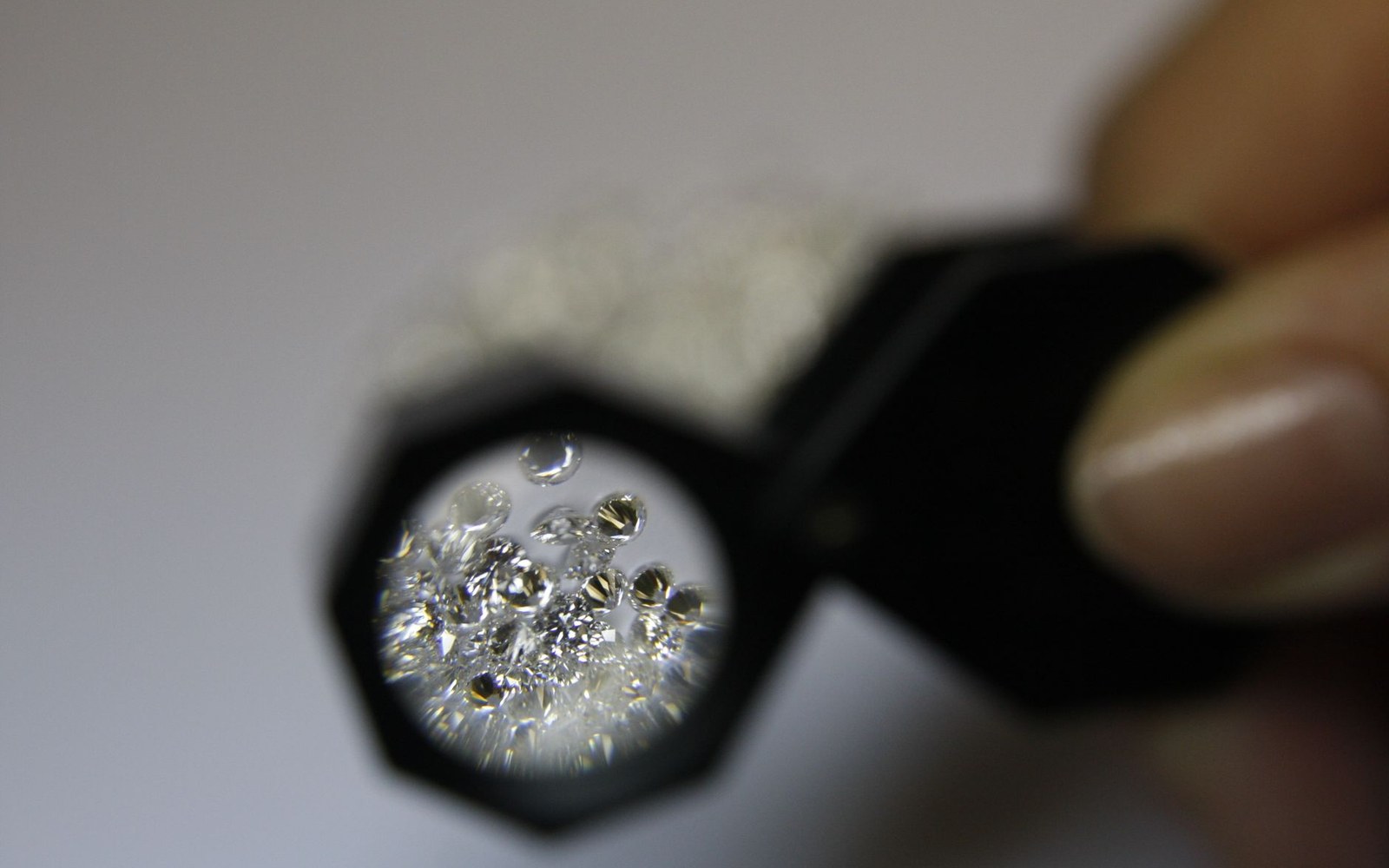
Argyle's output was dominated by volume: at peak production it contributed a large share of the world's rough diamonds by number of stones. Almost all of those were brown or near-colourless goods of modest individual value. What made the mine irreplaceable, however, was a small fraction — Rio Tinto's own figures placed it at more than ninety percent of global supply — of pink and red diamonds. Each year Rio Tinto separated these stones for its annual Argyle Pink Diamonds Tender, a closed invitation process in which qualified bidders examined individual polished stones in person before submitting sealed offers. The tender ran from 1984 until the mine's final year, and the stones it offered — frequently sub-carat, intensely saturated, and graded by the Gemological Institute of America — set the reference points against which pink diamonds worldwide were evaluated.
The geological mechanism behind Argyle's pinks remains incompletely understood. The prevailing hypothesis invokes plastic deformation of the crystal lattice during the diamond's ascent — structural distortion that shifts light absorption and produces the characteristic hue — but no laboratory model has yet reproduced the effect reliably. With Argyle closed and no comparable lamproite deposit in production, the documented global supply of new pink diamonds contracted sharply the moment the headframe went quiet.
Related