Section 08 of 08
From rose cut to Tolkowsky's 1919 brilliant, from cabochon to step cut — the history of how gem material is shaped, and the trade centres where the work is done.
From the rose cut to Tolkowsky, from the lap wheel to Antwerp and Surat.
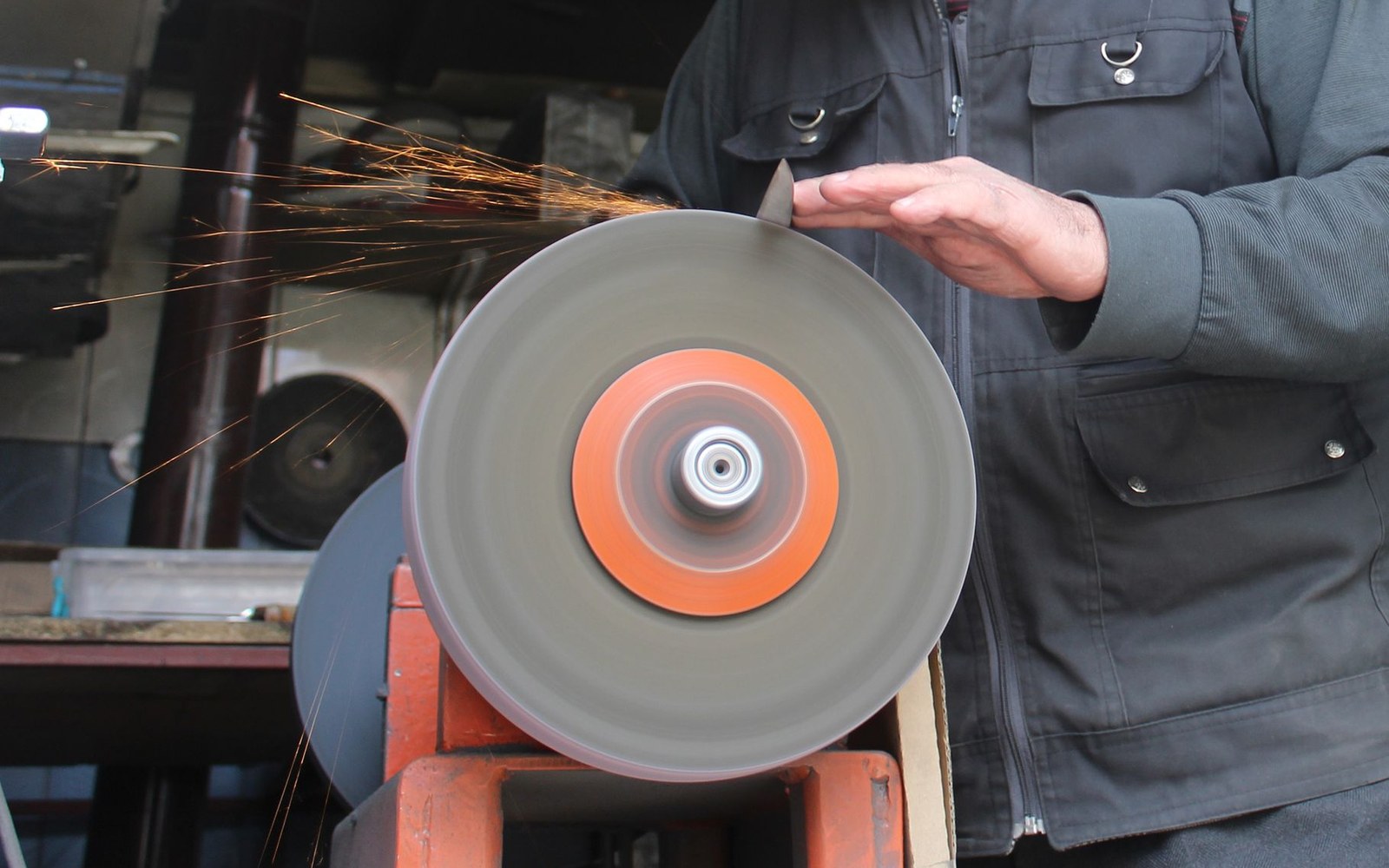
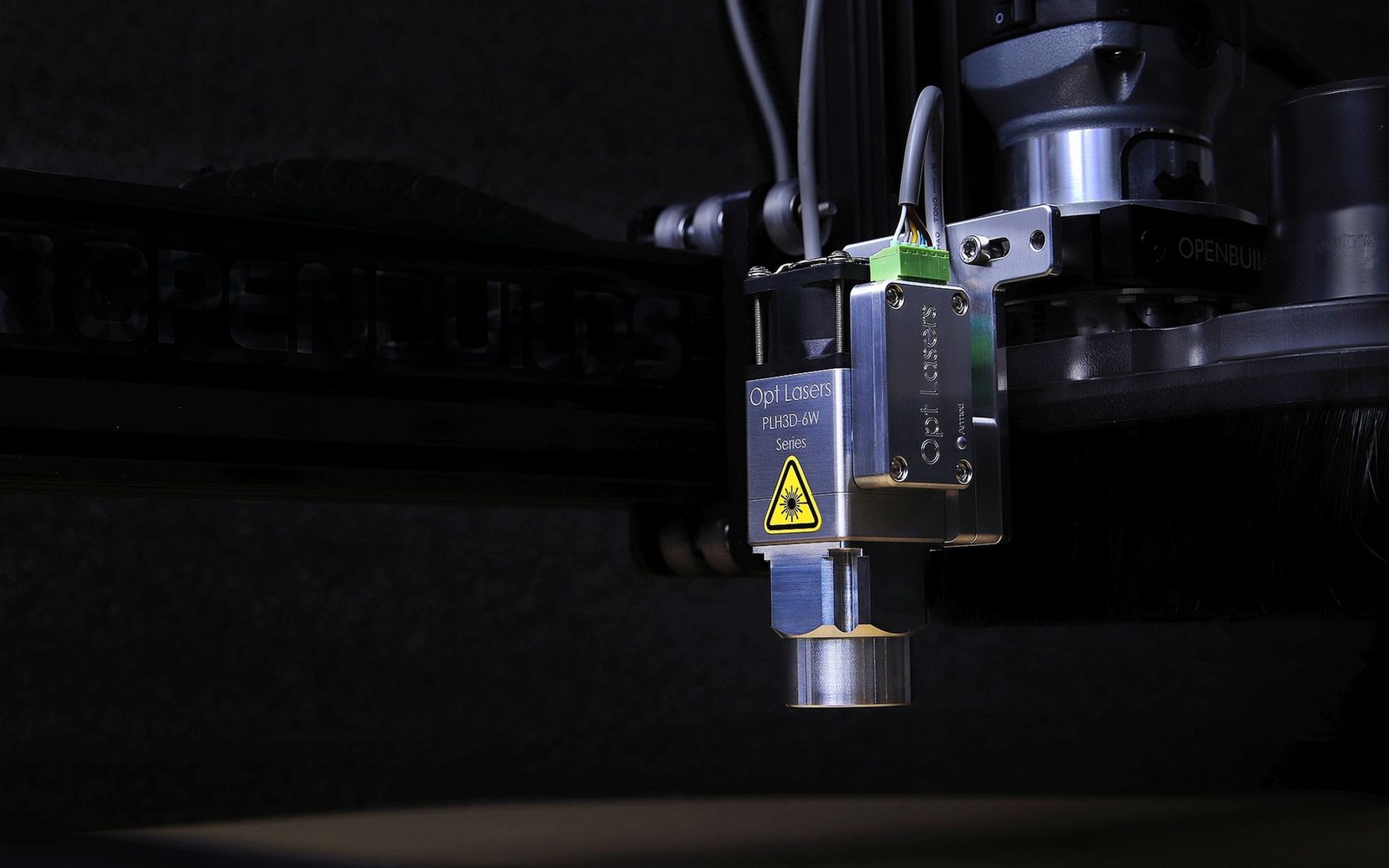
Photo: Opt Lasers from Poland / Pexels
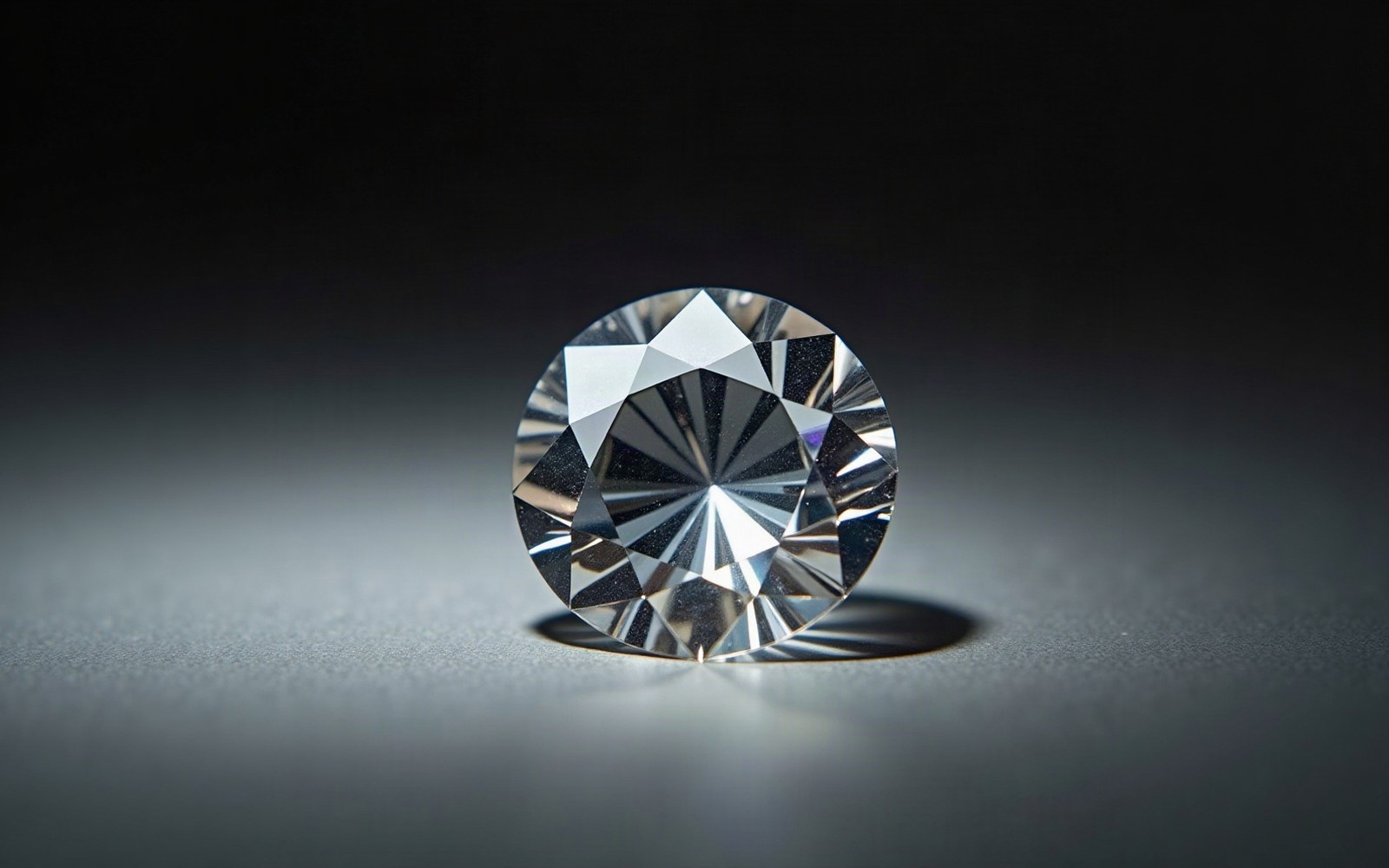
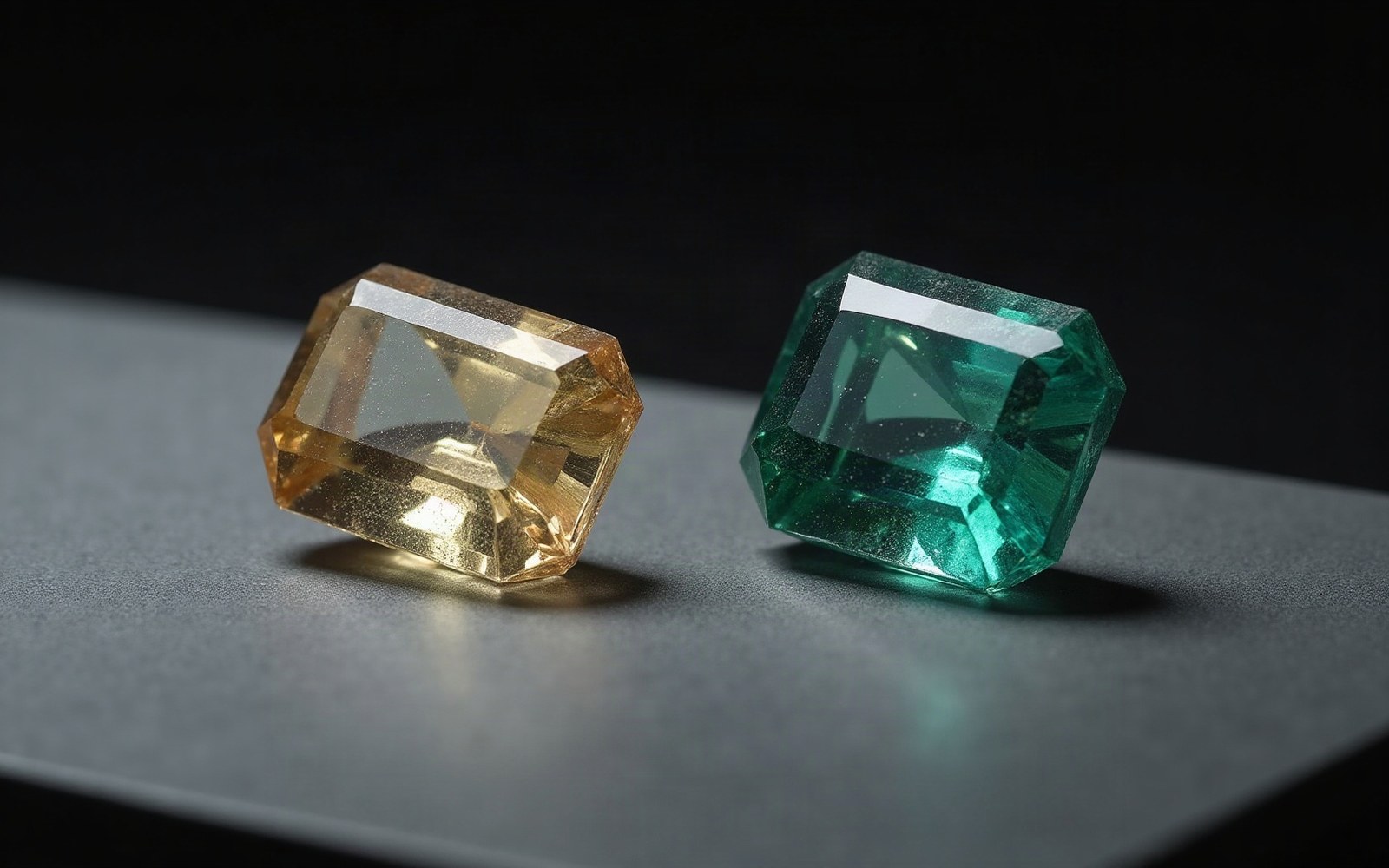
Documents Marcel Tolkowsky's 1919 doctoral thesis at the University of London — the mathematical derivation of crown angle, pavilion angle and table percentage for maximum brilliance and fire — and how those proportions became the standard against which the GIA's cut grade is still measured.
Traces the rose cut — flat base, domed crown, triangular facets — from its 16th-century appearance in Antwerp through the old mine cut (cushion outline, high crown, small table) of the 18th and 19th centuries, arguing that each cut reflects the limits of the lap and lighting technology of its period.
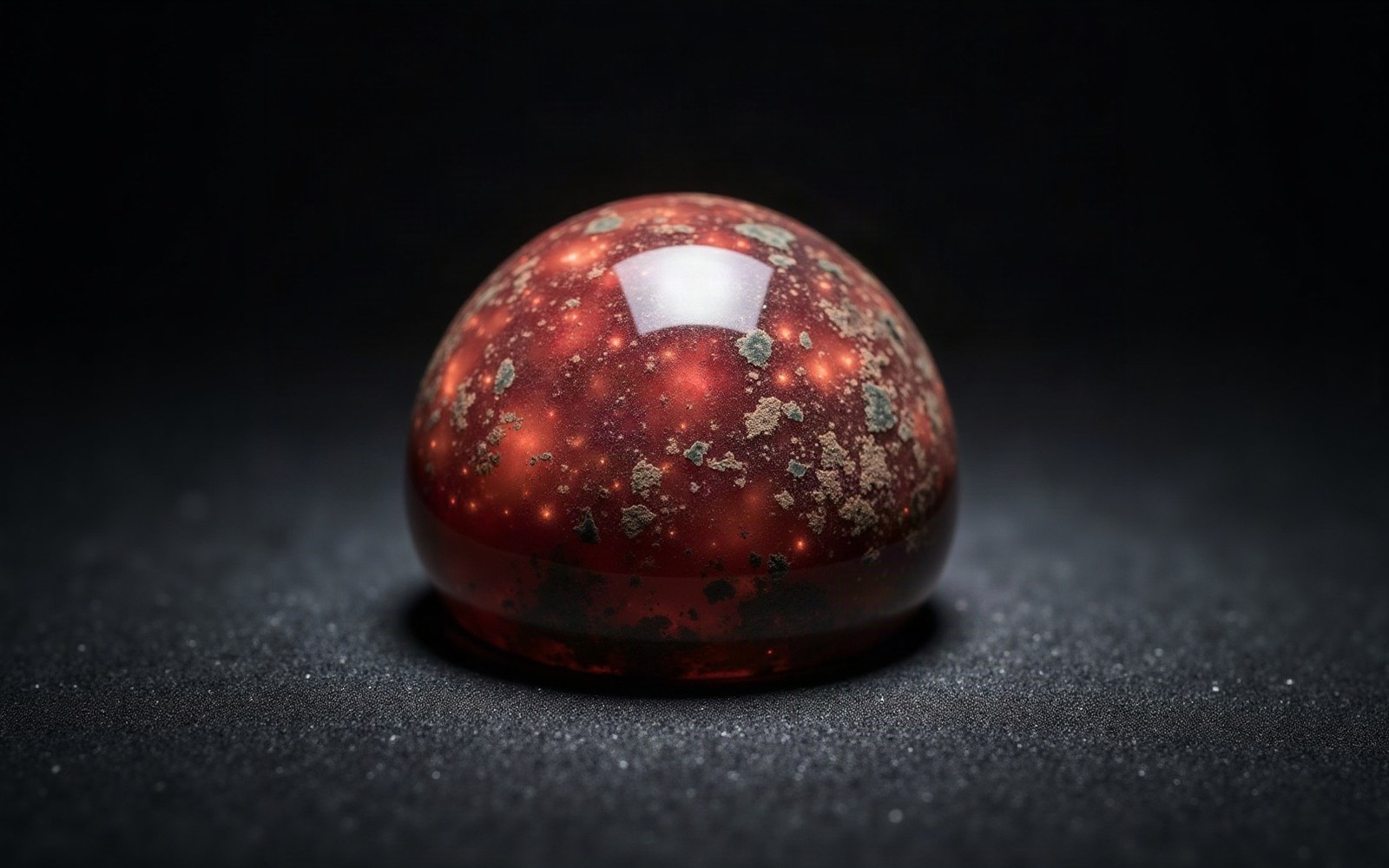
Explains the optical reasons cabochon cutting is used for opal (play-of-colour is a surface phenomenon destroyed by facets), star stones (asterism requires a dome to concentrate the reflection) and cat's-eye chrysoberyl.
Documents the parallel histories of Antwerp as the dominant diamond-cutting centre from the 15th century and Surat (and the broader Gujarat industry) as the centre that came to process the majority of the world's rough by volume from the 1970s forward, covering the factory scale, the polishing-wheel technology and the GIA grading integration.
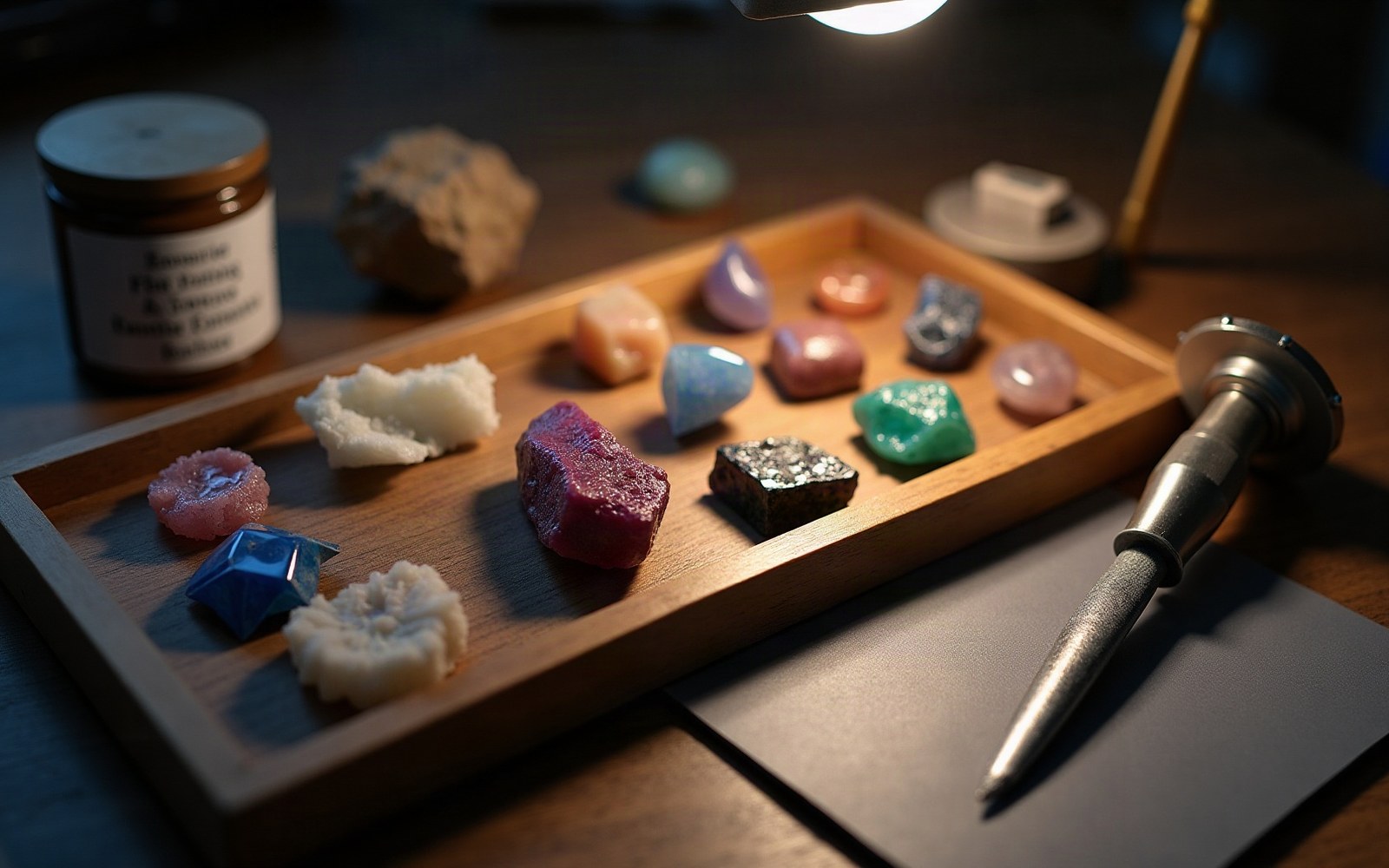
Documents Friedrich Mohs's 1812 publication — the ten-mineral scratch-resistance series from talc to diamond — explaining precisely what relative scratch resistance means and what it does not: it is not absolute hardness, not cleavage resistance, not toughness.
Everything in Cutting