Section 03 of 08
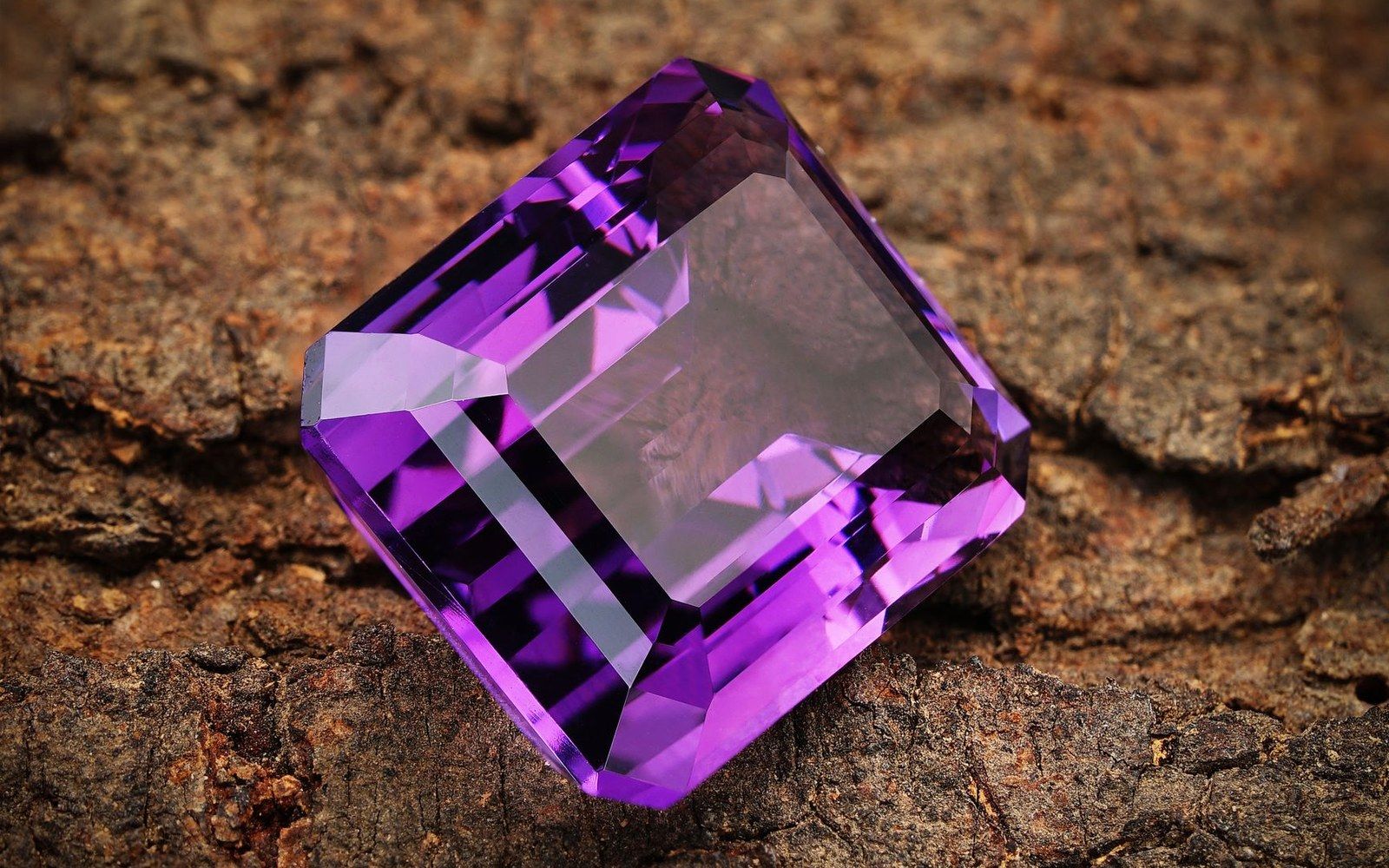
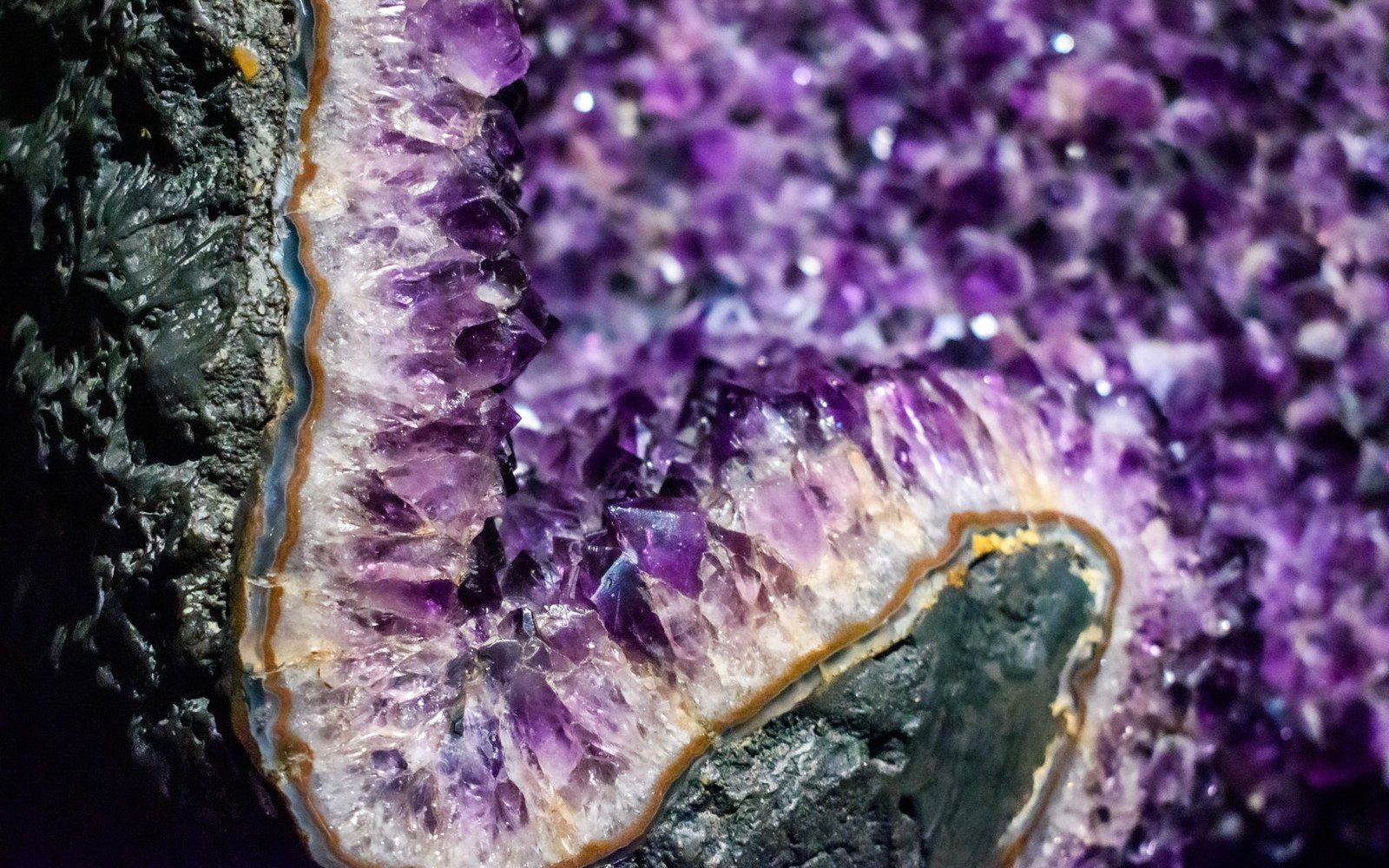
Amethyst, citrine, agate and rock crystal are all silicon dioxide — the most abundant mineral family in gem use, and the one most frequently mistaken for rarer stones.
Silicon dioxide, Mohs 7, trigonal — the most abundant gem family and the most often mistaken.
Photo: Alex Szarka / Pexels
Explains how iron impurities and natural irradiation produce colour centres in quartz to create amethyst, and why the same material heated to 400–500°C converts to citrine — the mechanism behind much of the commercial citrine on the market.
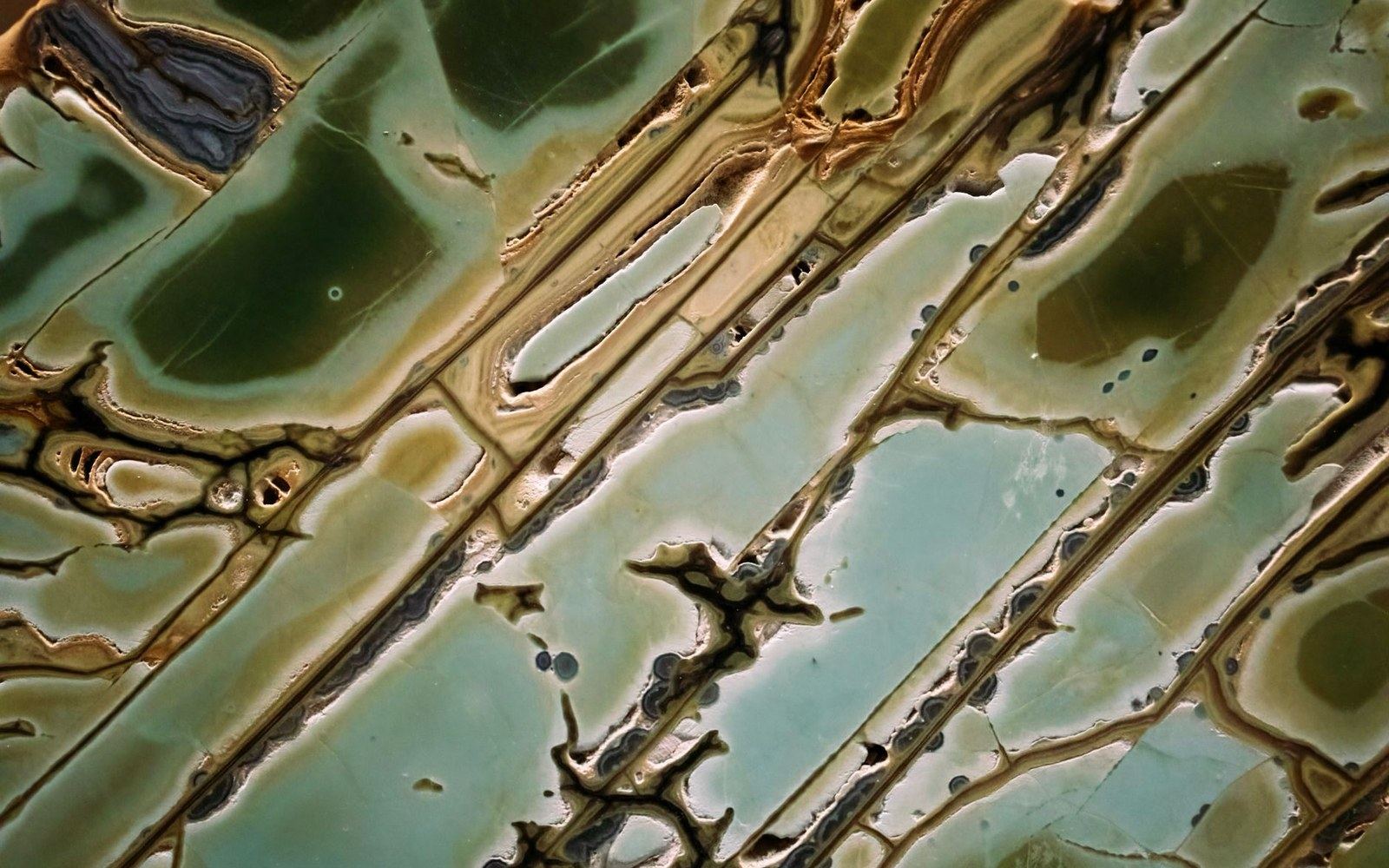
Documents the silica-gel infiltration theory of agate banding — successive layers of chalcedony deposited in volcanic vesicles — and covers the major agate deposits at Idar-Oberstein in Germany, where the cutting and polishing tradition is documented from the 15th century.
A factual account of how heat treatment transforms amethyst to citrine and smoky quartz to golden material, covering GIA's disclosure requirements and the spectroscopic markers laboratories use to distinguish natural citrine from treated material.
Everything in Quartz