Section 06 of 08
Named mines with documented addresses — Mogok, Ratnapura, Muzo, Kimberley, Coober Pedy, Argyle, Diavik — and the geological and human record of each.
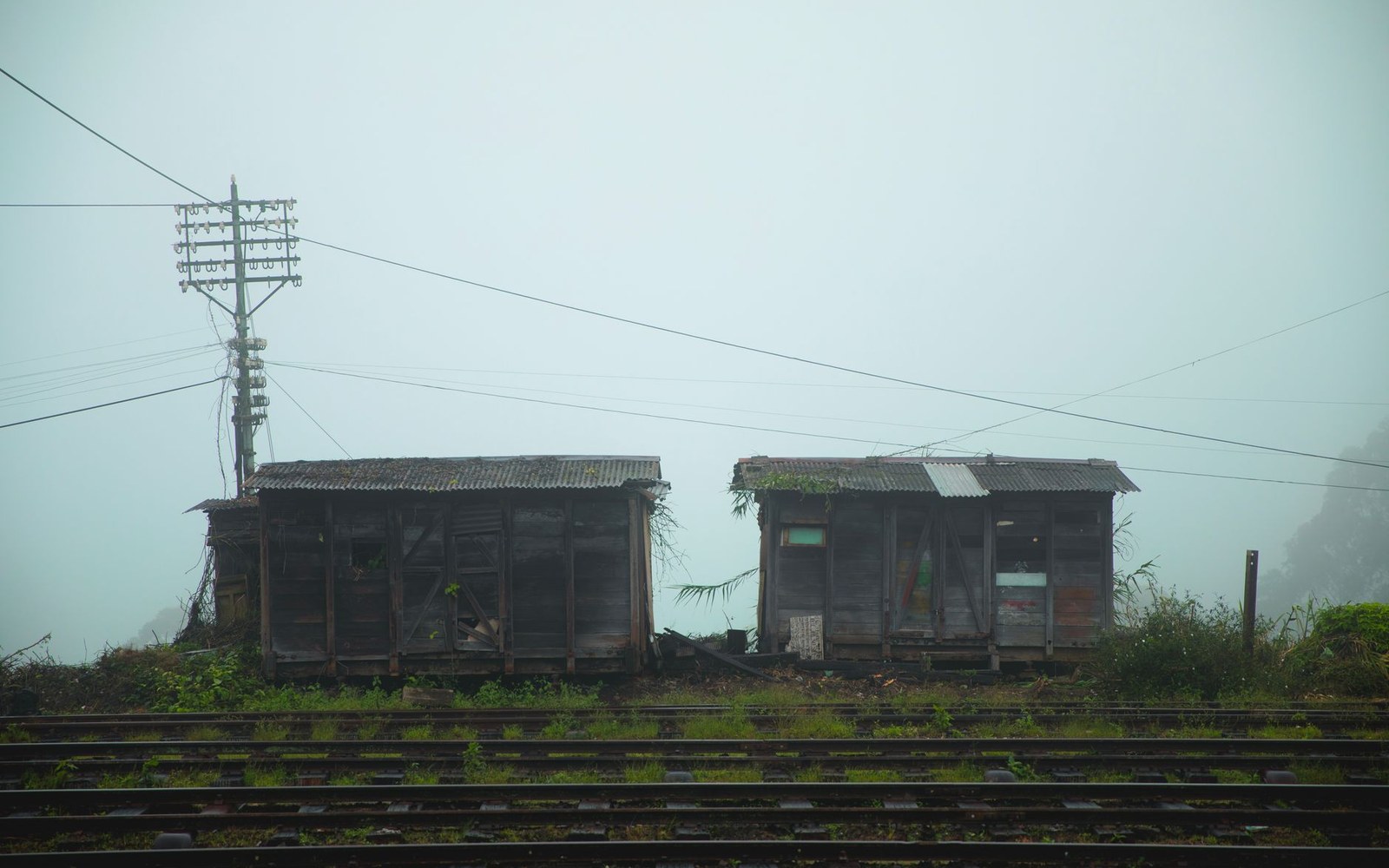
River gravel, marble, black shale and kimberlite pipe — the ground each material comes out of.
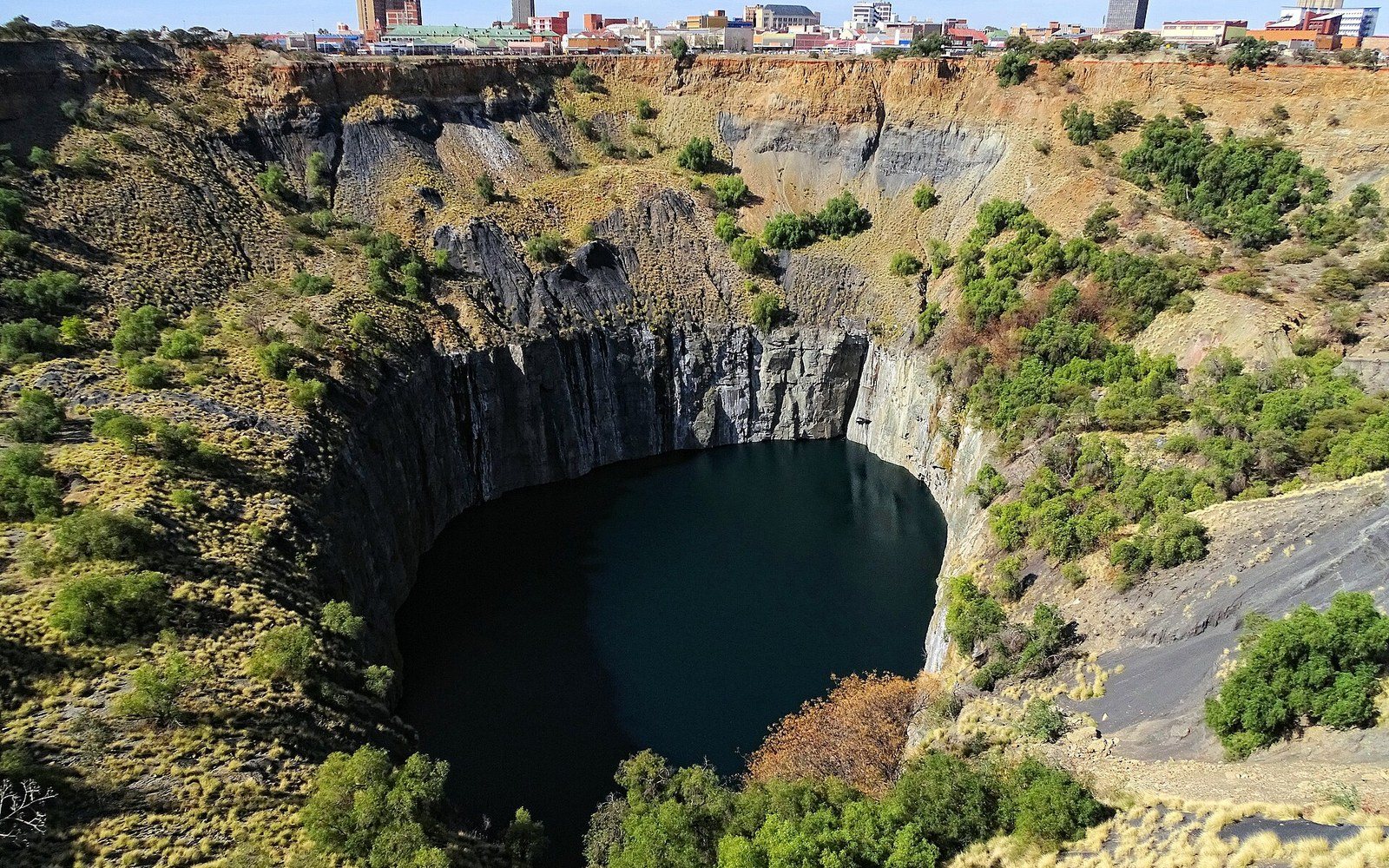
Photo: Downtown Kimberley seen from the west 2015 · Wikimedia Commons
Documents the Kimberley open-cast mine — 240 metres deep, 17 hectares, dug between 1871 and 1914 largely by hand tools — covering the kimberlite pipe geology, the IDB (illicit diamond buying) legal history and the 1889 De Beers Consolidated acquisition.
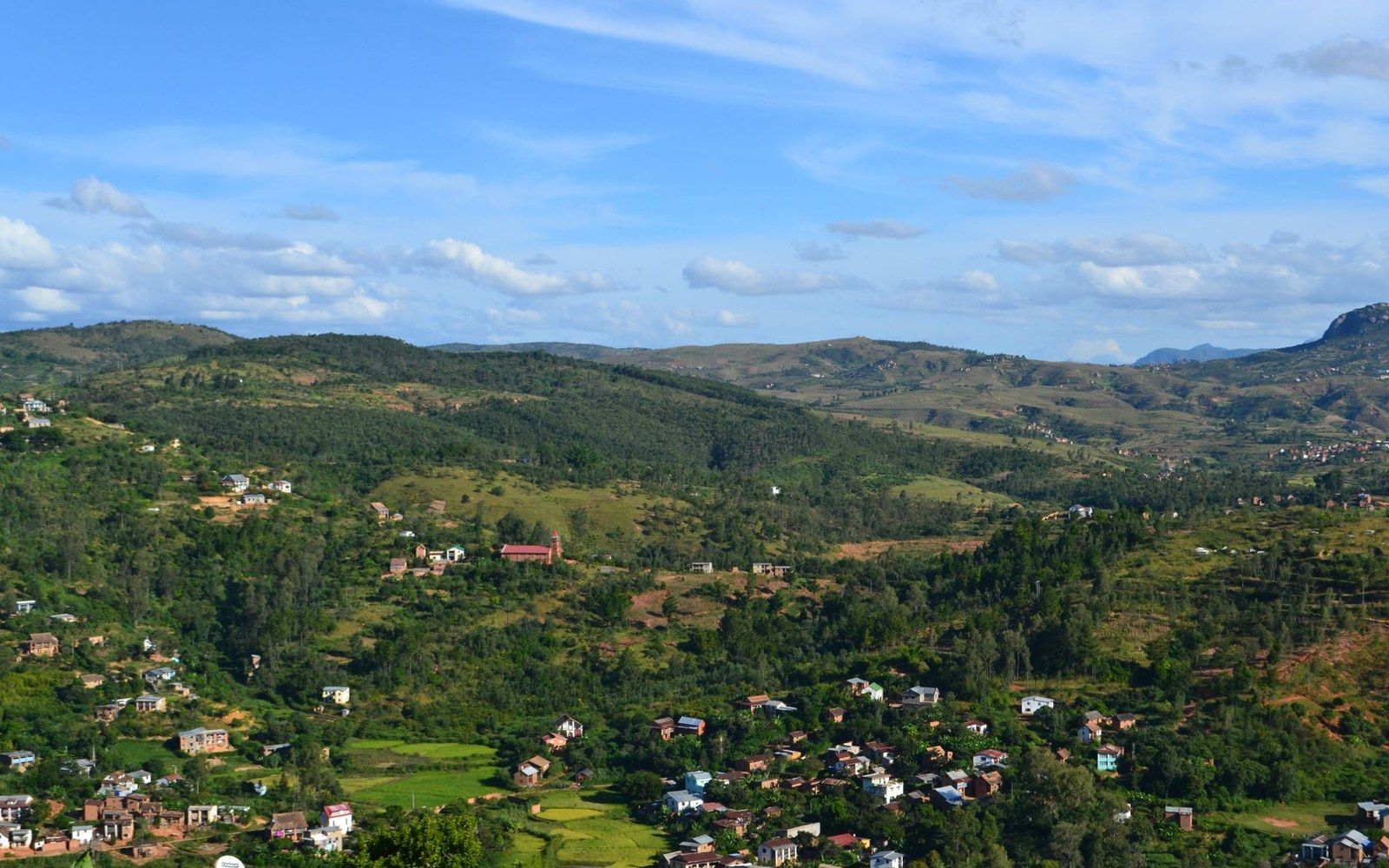
Documents the illam alluvial gravel deposits of the Ratnapura district in Sri Lanka's Sabaragamuwa province — the geological process by which corundum, spinel, chrysoberyl and garnet concentrate in Miocene-age river gravels — and the pit-and-winch extraction method still in use.
Documents the 1998 alluvial sapphire discovery near Ilakaka in Madagascar's Horombe Plateau — from a single roadside find to a shanty town of forty thousand within two years — covering the gem-quality range (blue, yellow, padparadscha) and the subsequent formalisation of the concession system.
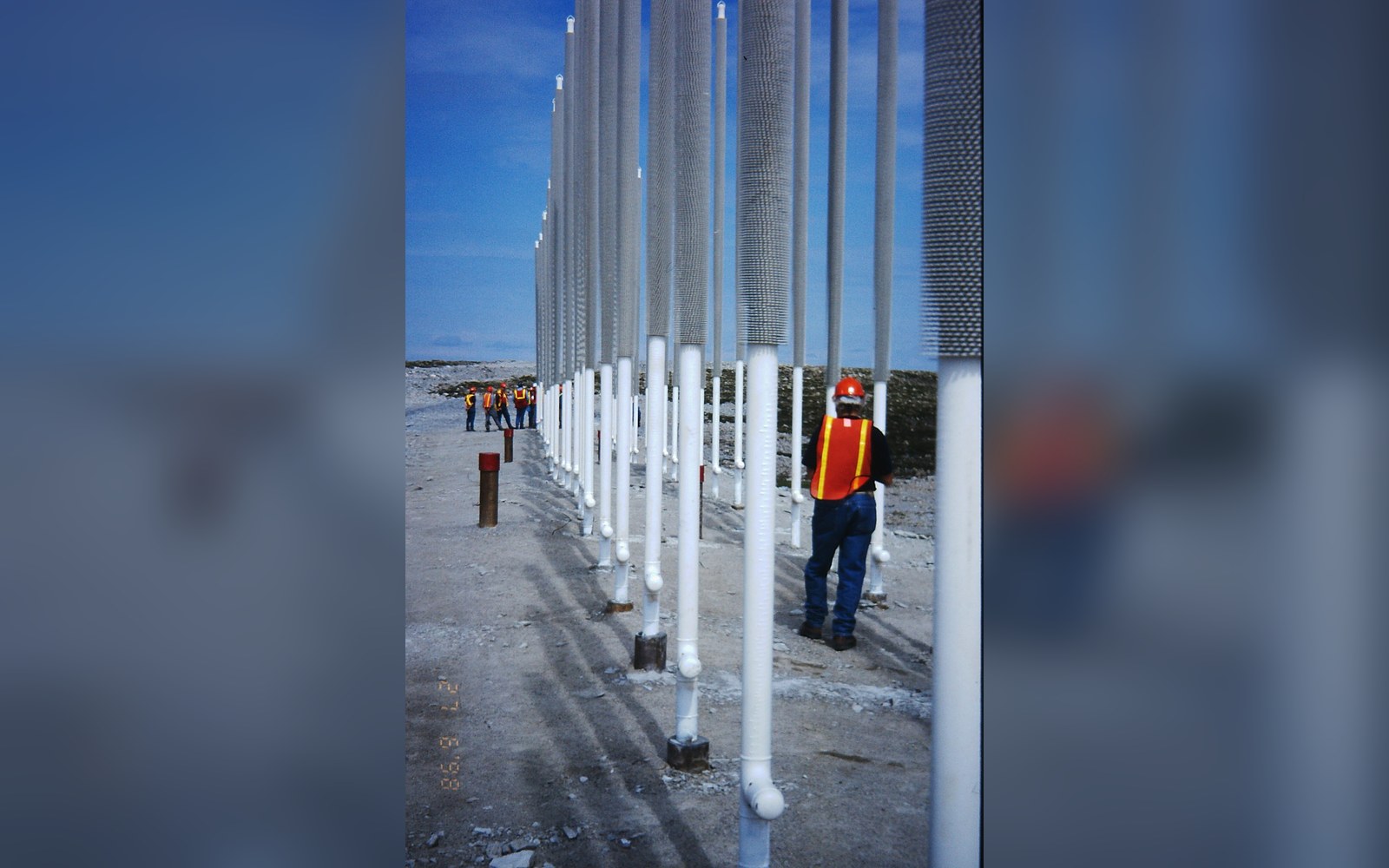
Documents the 1991 kimberlite discoveries at Lac de Gras in the Northwest Territories by Chuck Fipke and Stewart Blusson, the opening of Ekati in 1998 and Diavik in 2003, and the winter ice-road logistics that supply both operations across frozen Lac de Gras.
Localities
Seven named workings and trade centres, at their coordinates: Mogok in Burma, Ratnapura in Sri Lanka, Ilakaka in Madagascar, Montepuez in Mozambique, Chanthaburi in Thailand, Sar-e-Sang in Afghanistan and the cutting floors at Surat.
Geometry: map kit
Everything in Mines