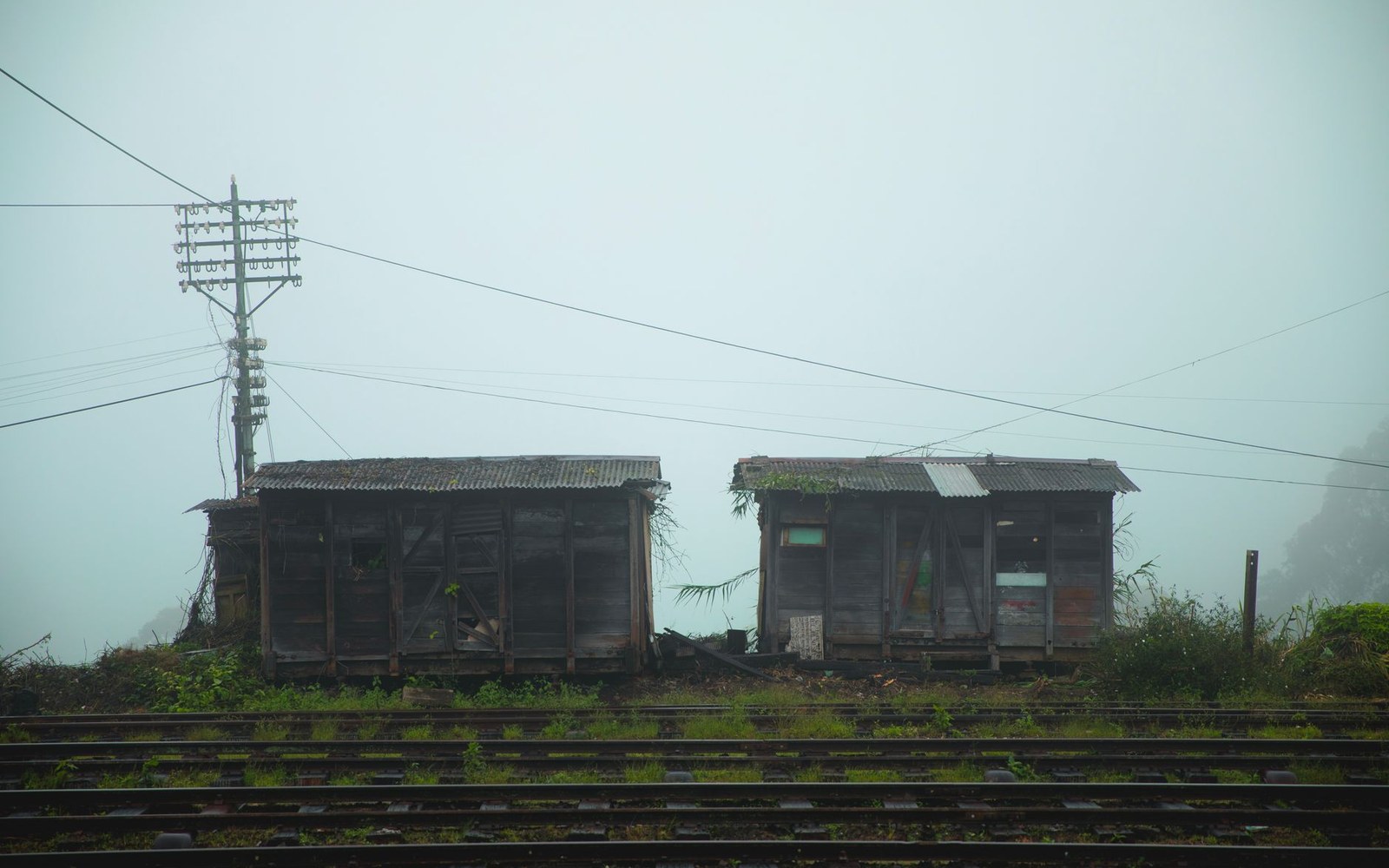
Alluvial concentration in the Sabaragamuwa basin
Ratnapura — the name translates from Sinhala as "city of gems" — sits in Sri Lanka's Sabaragamuwa province at the edge of the wet-zone highlands, where millennia of erosion have done the miner's hardest work. The surrounding Precambrian metamorphic basement yielded corundum, spinel, chrysoberyl, alexandrite and garnet to weathering processes that then transported and concentrated those minerals in Quaternary (Pleistocene to Recent) river gravels known locally as illam. Because every one of those species has a specific gravity substantially higher than the quartz and feldspar that travels with them, they settle preferentially into a dense layer above the clay-rich laterite floor of the alluvial sequence — sometimes just a few tens of centimetres thick, but reliably rich where the ancient river slowed.
Extraction follows a method that has changed less than the geology surrounding it. Miners sink a narrow pit by hand — timber-lined to prevent collapse — until the shaft reaches illam, typically three to ten metres below surface. A hand-operated or motorised winch hauls up basketfuls of gravel, which are then washed in a sluice or puddled in the river itself to separate the dense fraction. The recovered concentrate is spread on a board and sorted by eye, a task requiring the kind of pattern recognition that experienced sorters develop over years. No blasting, no hard-rock drilling: the deposit announces itself by texture and colour.
Also in Mines: The Big Hole Was Dug by Hand in Twenty-Three Years
Photo: Volker Braun / Pexels
The Logan Sapphire — 422.99 carats, now in the Smithsonian Institution's National Gem Collection — is documented as Sri Lanka origin and is among the best-known stones attributed to Sri Lanka's gem output. Ratnapura has also supplied star rubies and star sapphires whose asterism depends on rutile needle inclusions oriented within the corundum crystal, a phenomenon displayed most effectively in the cabochon cuts for which the region's cutters became known.
The Gemological Institute of America records Sri Lanka as one of the world's premier sapphire sources, with Ratnapura and Elahera cited among the primary producing localities.
Related