Section 05 of 08
The minerals that do not belong to the major families — garnet, tourmaline, spinel, peridot, topaz, opal, jade, lapis lazuli, turquoise — each with its own chemistry and record.
The minerals with no major family: spinel, opal, jade, lapis lazuli, tourmaline.
Photo: cottonbro studio / Pexels
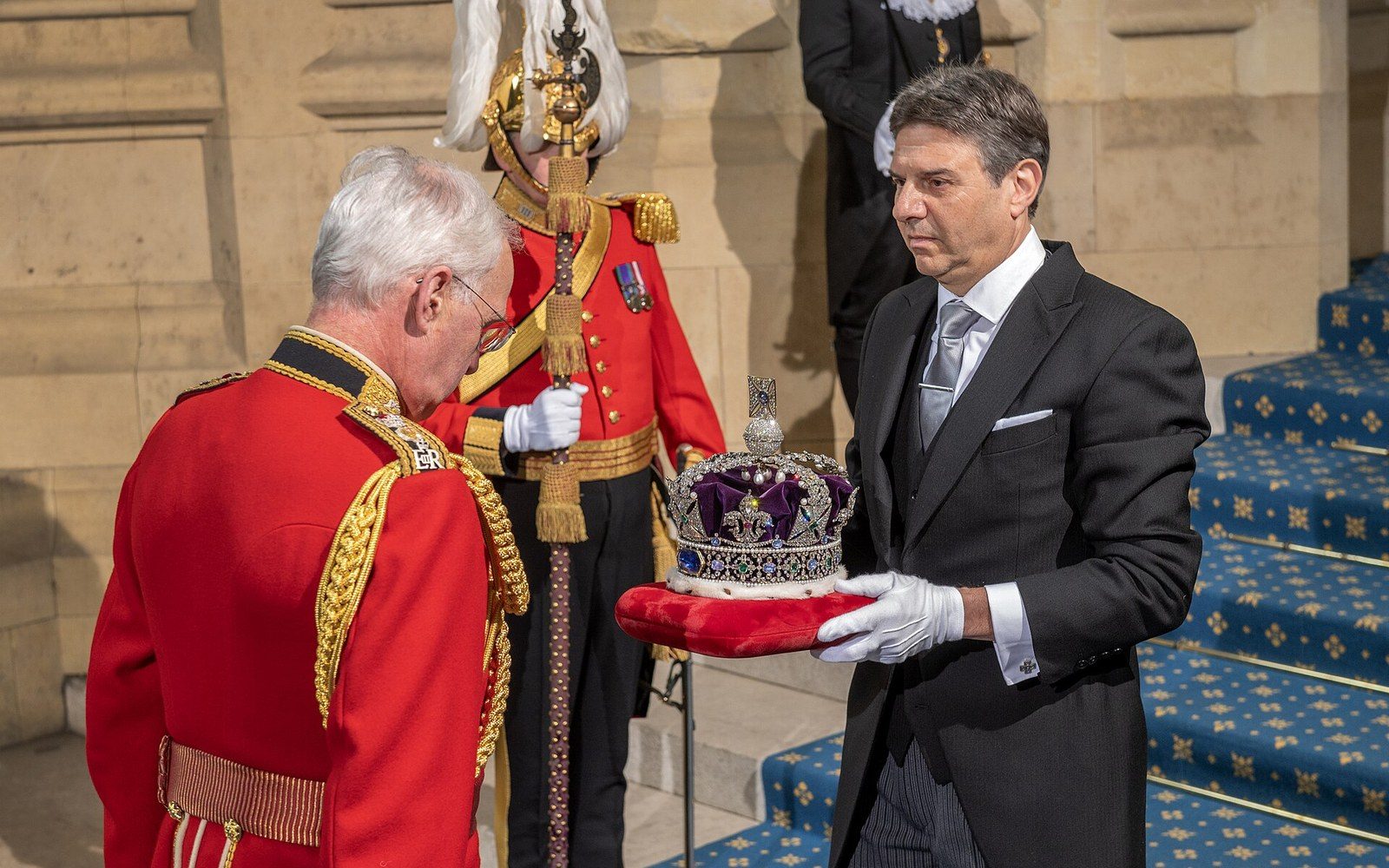
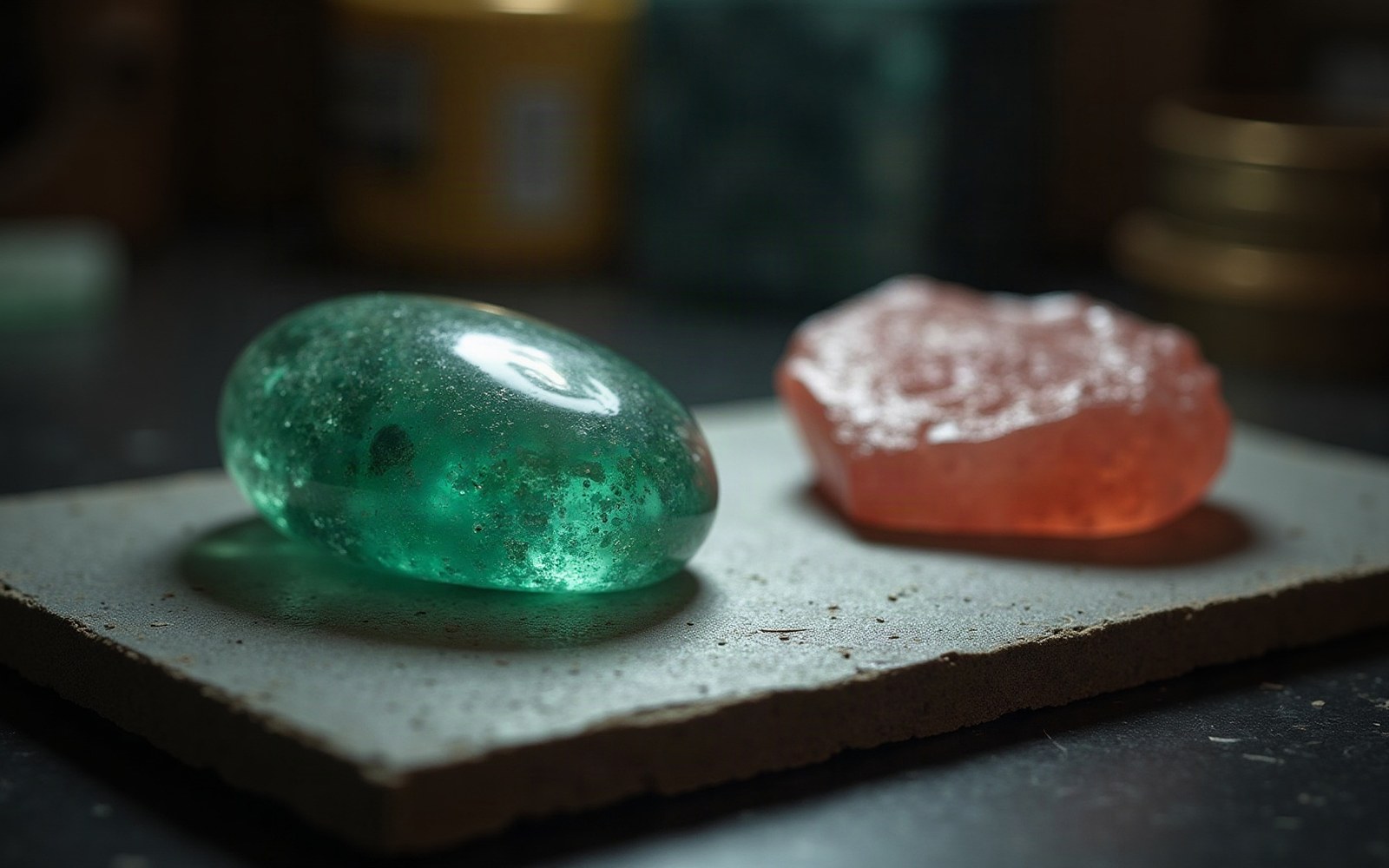
Uses the Black Prince's Ruby — identified as spinel by mineralogists in 1783 — as the entry point for explaining how spinel was systematically misidentified as ruby or sapphire for centuries, covering the chemistry difference (MgAl₂O₄ versus Al₂O₃) and the Balas ruby category in historical trade.
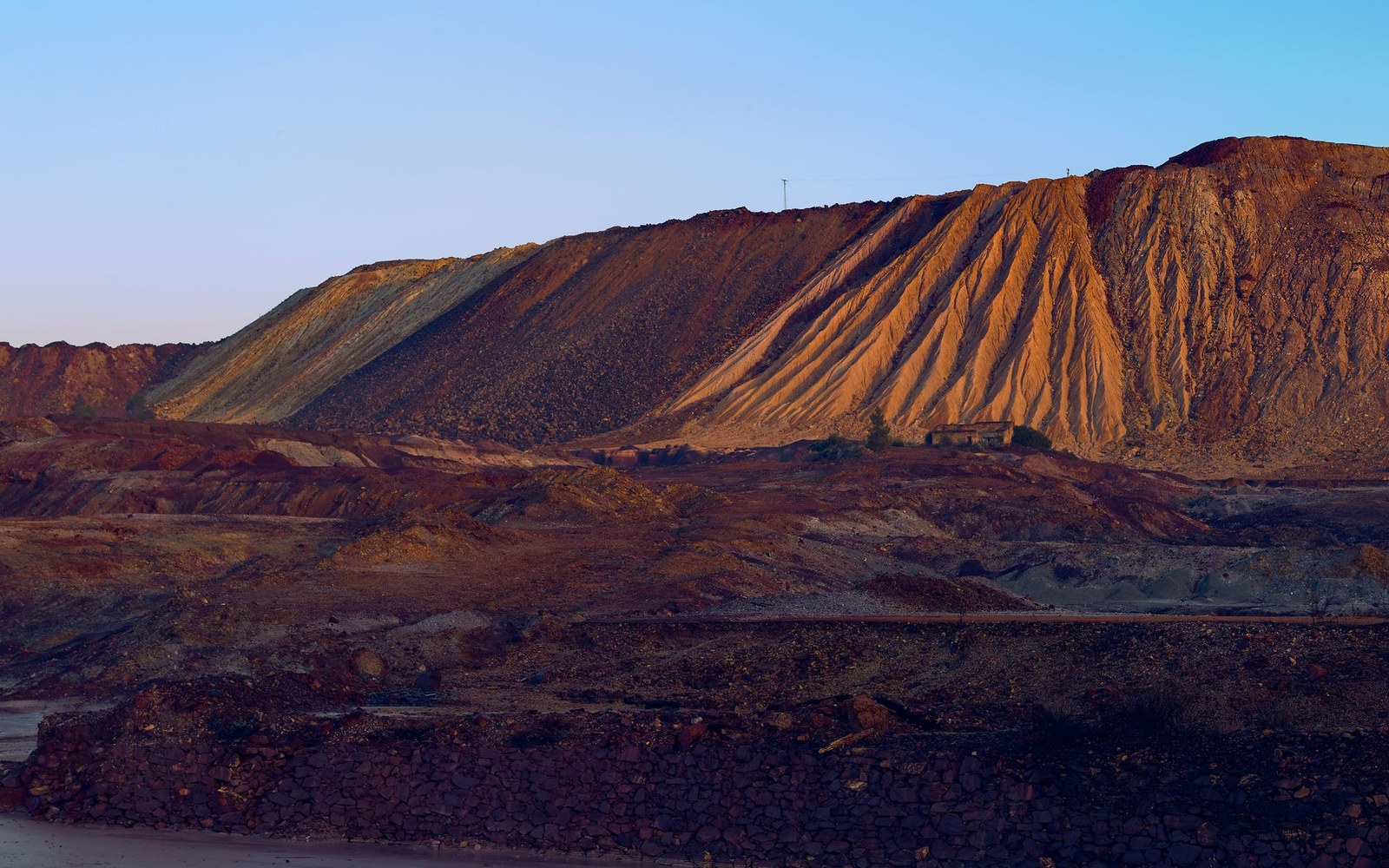
Contrasts the geology of Coober Pedy (Cretaceous sandstone, white potch) and Lightning Ridge (dark Cretaceous clay, black potch) in New South Wales to explain why the host material controls opal body colour.
Documents the 1863 mineralogical separation of jade into jadeite (pyroxene, Burma) and nephrite (amphibole, New Zealand, Siberia, British Columbia), covering the physical tests that distinguish them and how Chinese imperial use — documented in the Palace Museum record — predates the chemical distinction.
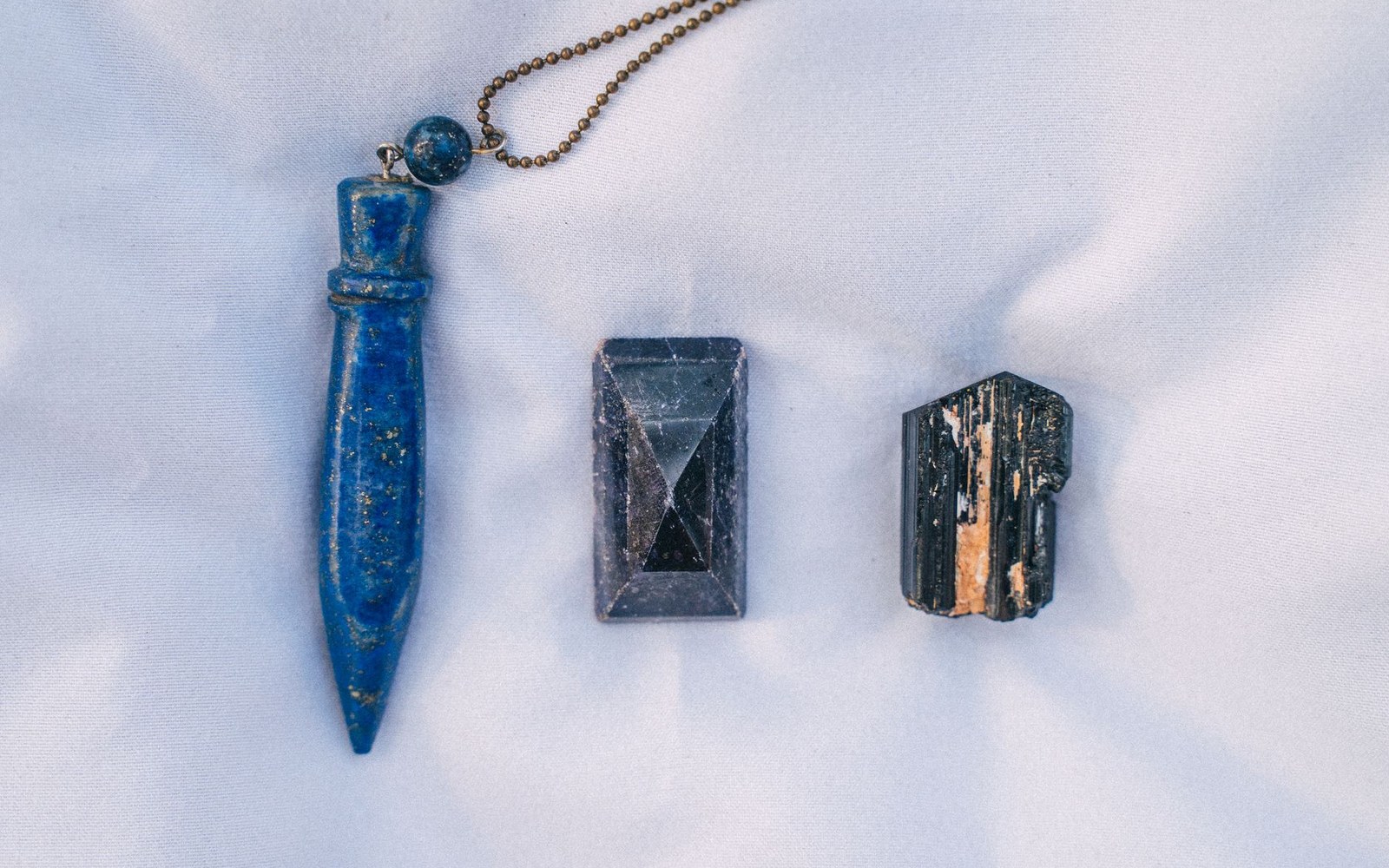
Documents the Sar-e-Sang workings in the Kokcha valley, Badakhshan — the documented source of lapis lazuli from at least 4000 BCE through Egyptian, Mesopotamian and Renaissance use (ultramarine pigment) — covering the lazurite-calcite-pyrite mineralogy and the current mine operation.
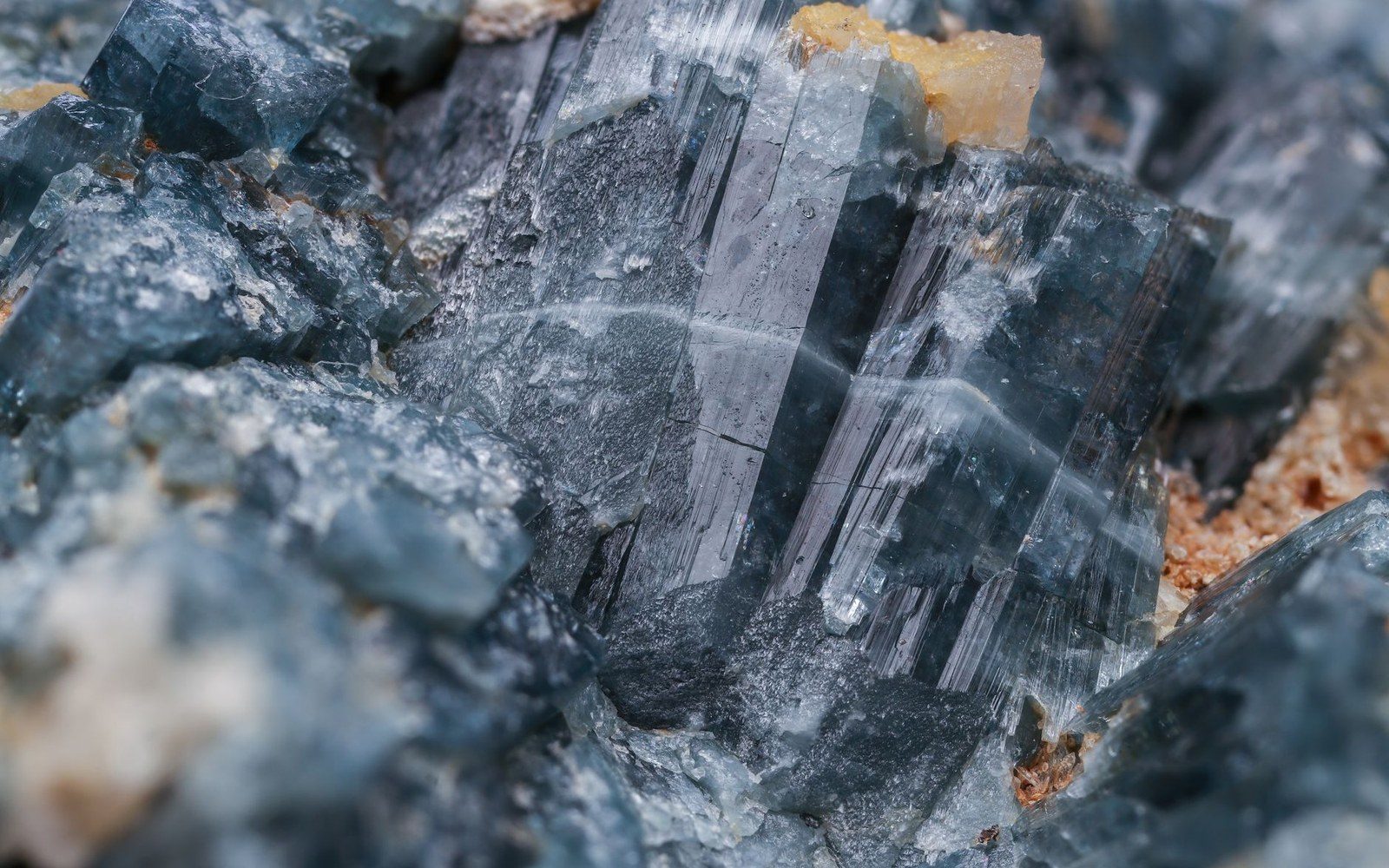
Explains tourmaline's boron-silicate crystal structure and the range of substituting elements — iron, manganese, copper, lithium — that produce its colour range, from indicolite to rubellite to Paraíba copper-blue.
Everything in The Drawer