Section 01 of 08
Corundum
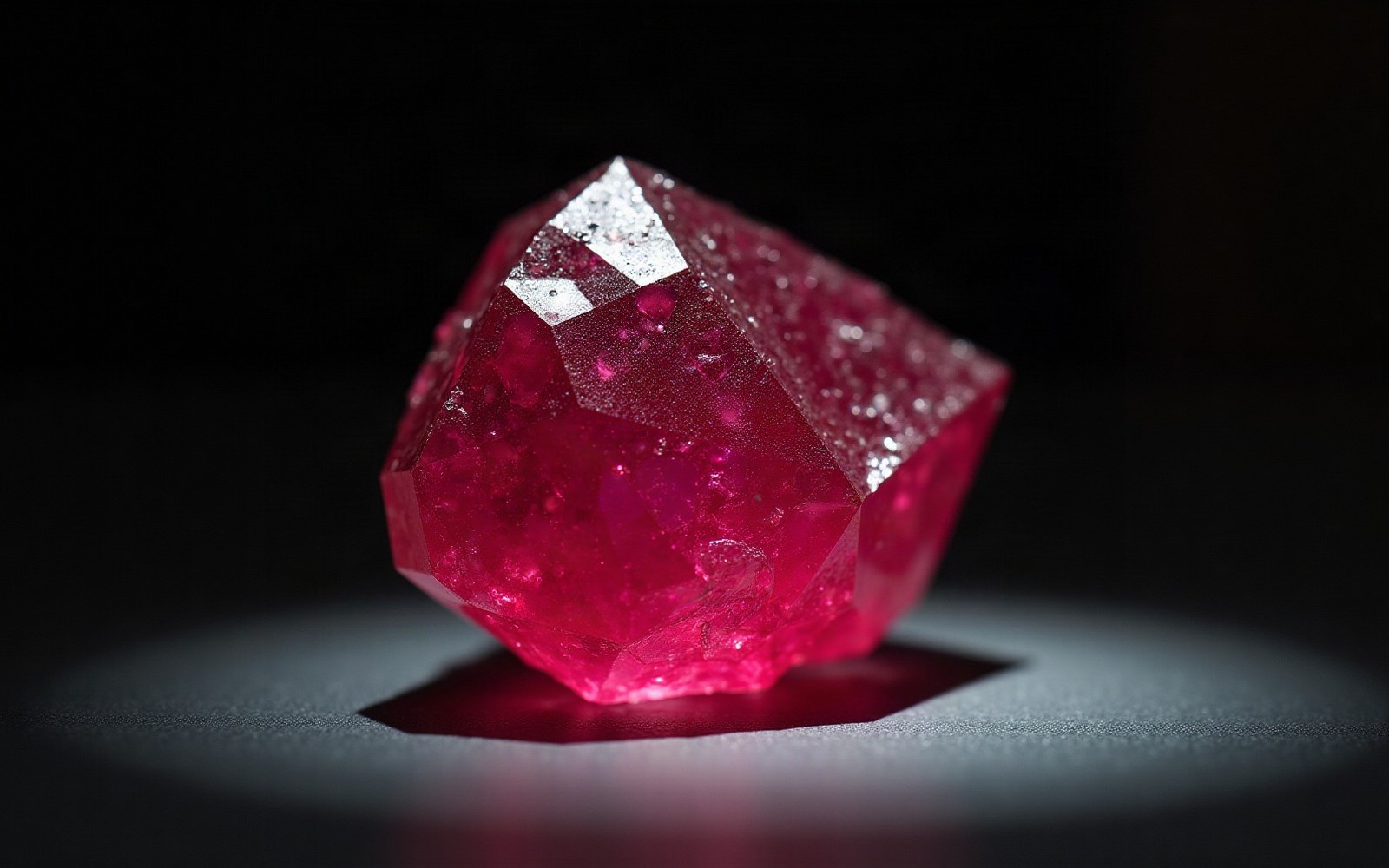
Ruby and sapphire are the same mineral — corundum — and what separates them is a fraction of a percent of chromium, iron or titanium.
Aluminium oxide, Mohs 9, trigonal — and two gemstones the trade insists on pricing apart.
Section 01 of 08
Ruby and sapphire are the same mineral — corundum — and what separates them is a fraction of a percent of chromium, iron or titanium.
Aluminium oxide, Mohs 9, trigonal — and two gemstones the trade insists on pricing apart.
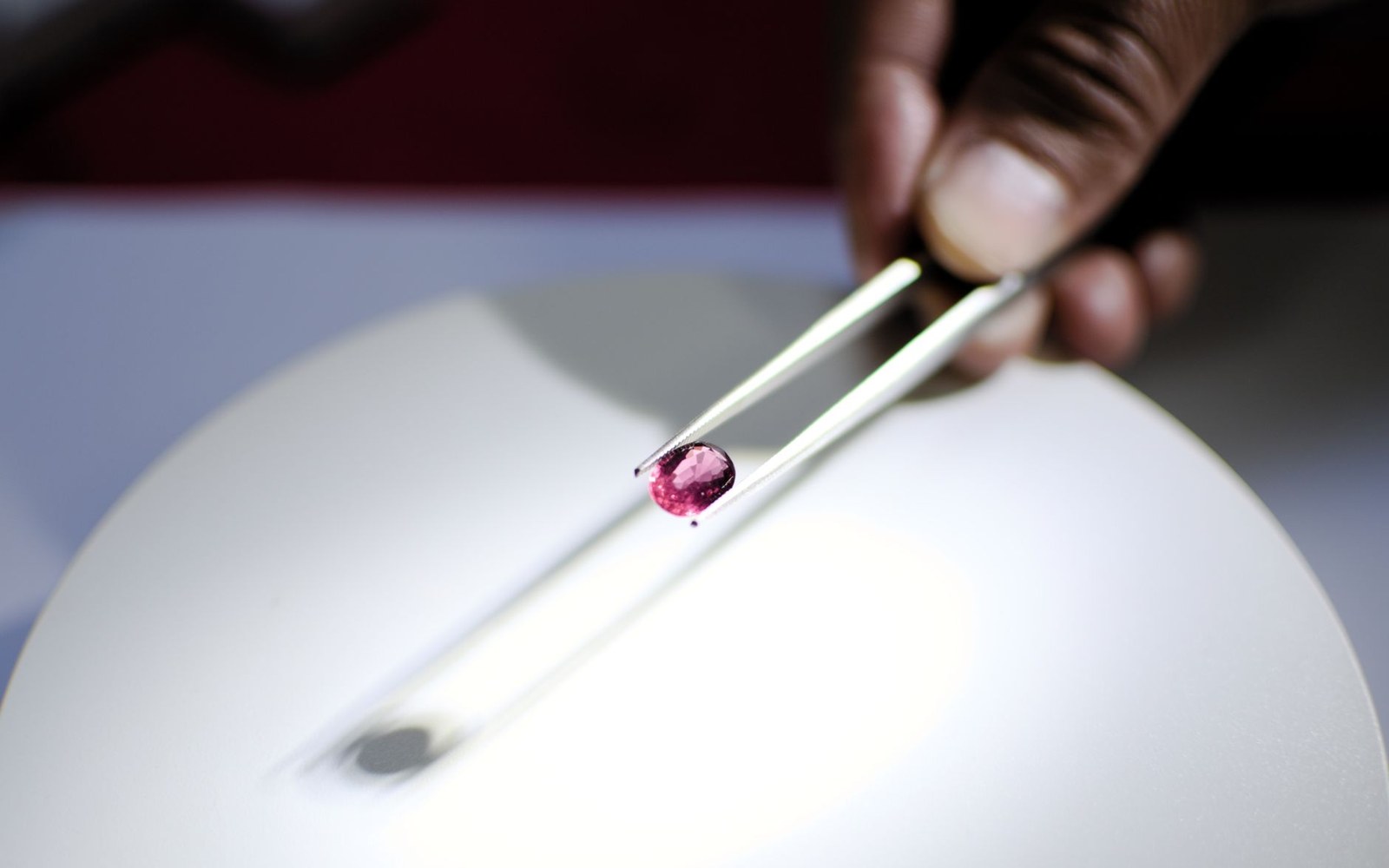
Explains how ruby and sapphire are chemically identical corundum, distinguished only by trace elements — chromium for red, iron and titanium for blue.
A close look at how chromium ions substitute for aluminium in the corundum crystal lattice to produce red fluorescence, and why the same mechanism in different concentrations produces pink rather than red.
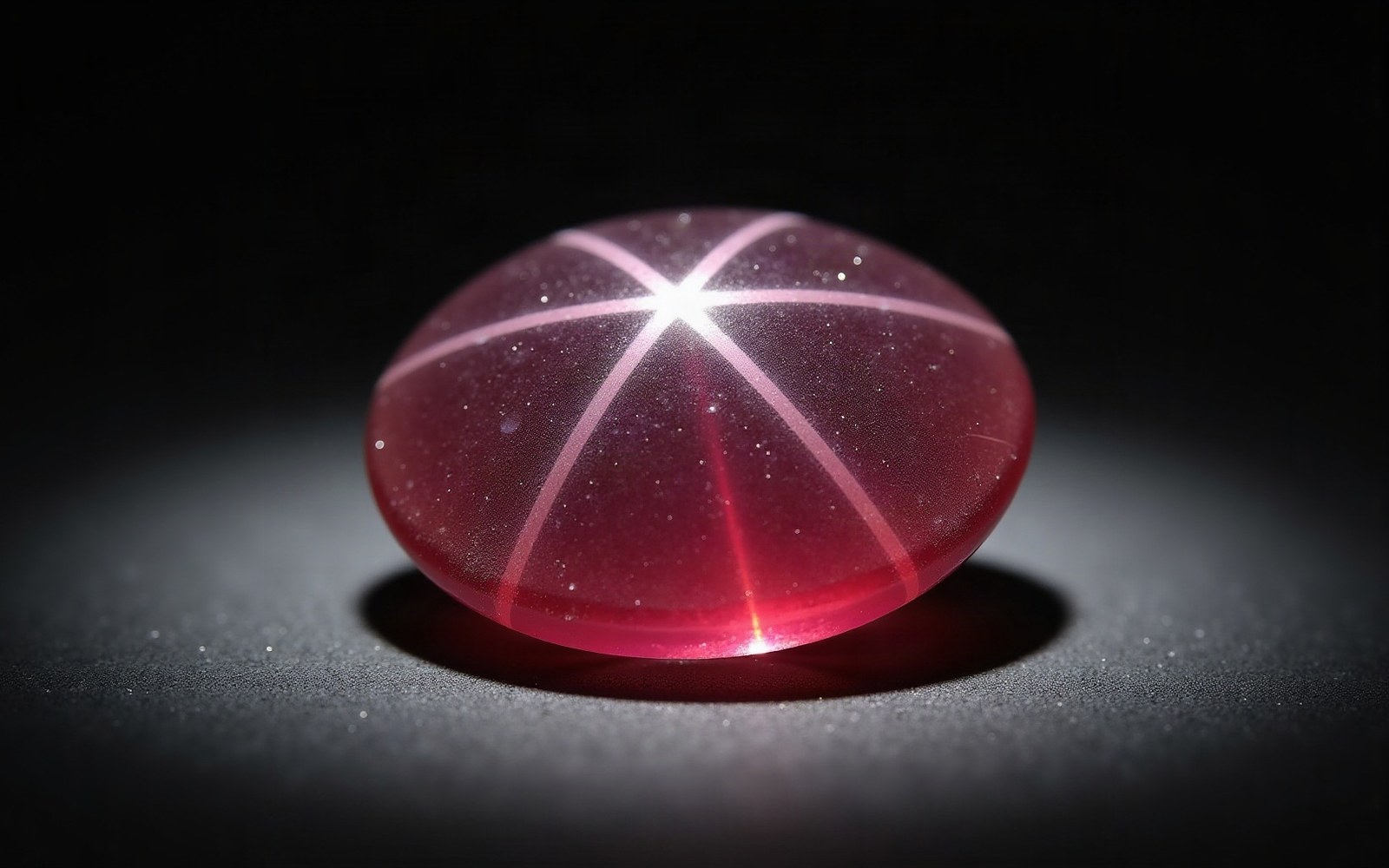
Explains the optical mechanism of asterism — needle-like rutile inclusions oriented along three crystal axes reflecting light as a six-rayed star — using the Star of India and the Delong Star Ruby as documented examples.

Documents the geology of the Mogok valley in Burma — crystalline marble host rock, low iron content, high chromium — and how it produces the fluorescent red that Mogok rough is known for.
Everything in Corundum