Pink, orange and teal crystal clusters displayed on a lab bench

Section 04 of 08

Diamond

Carbon in a cubic lattice, assessed since 1953 by the GIA's four-grade system, and the subject of the most documented mine closures and legal disputes in the gem trade.

Carbon, cubic, Mohs 10 — graded since 1953 and certified since 2003.
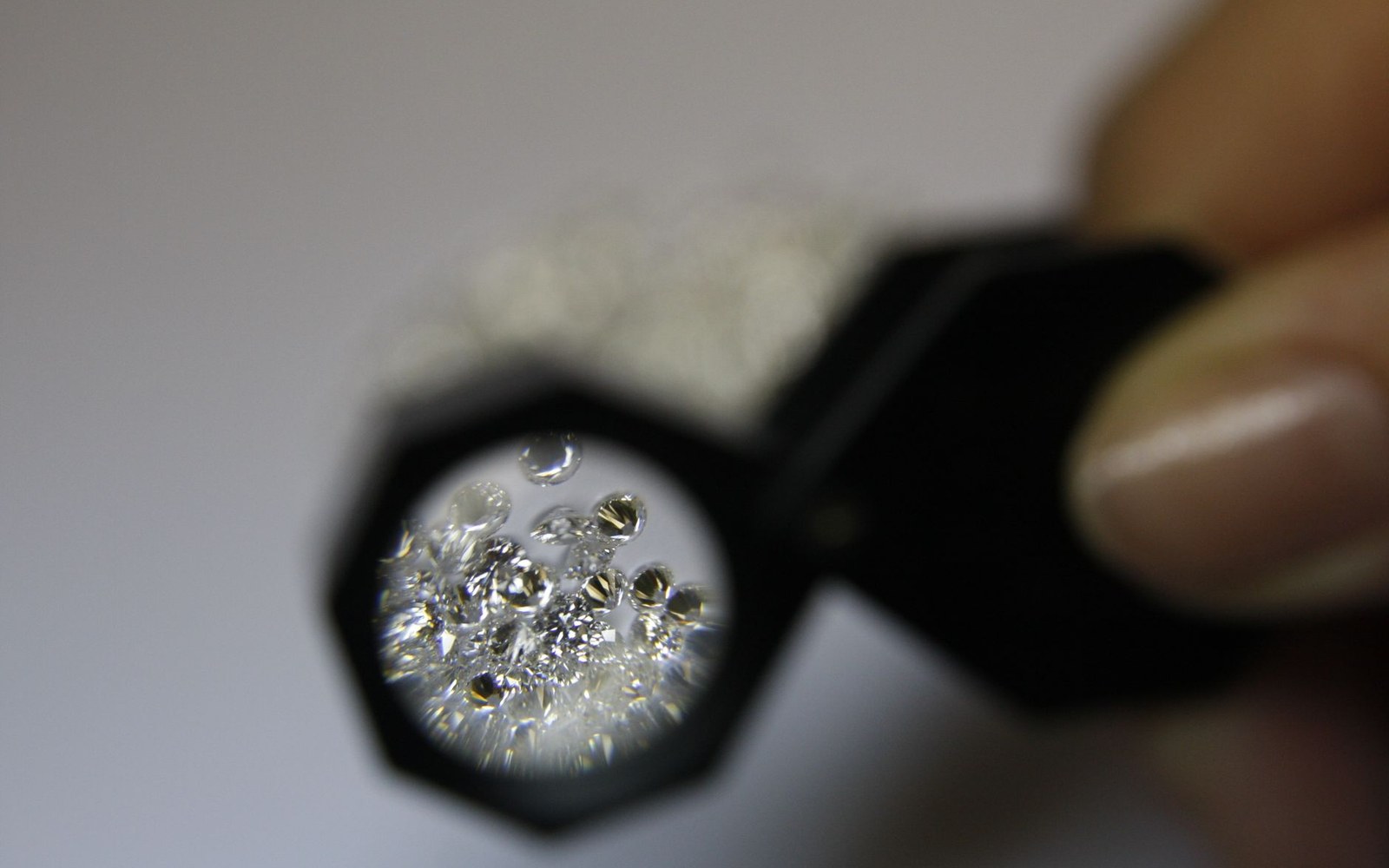
A hand holds a jeweler's loupe magnifying a cluster of loose diamonds Lead piece

Four Letters the GIA Fixed in 1953

Traces the development of the GIA's cut-colour-clarity-carat system from Robert Shipley's earlier grading work to the 1953 standardisation, covering what each grade measures and why the system was adopted industry-wide rather than remaining a single laboratory's convention.

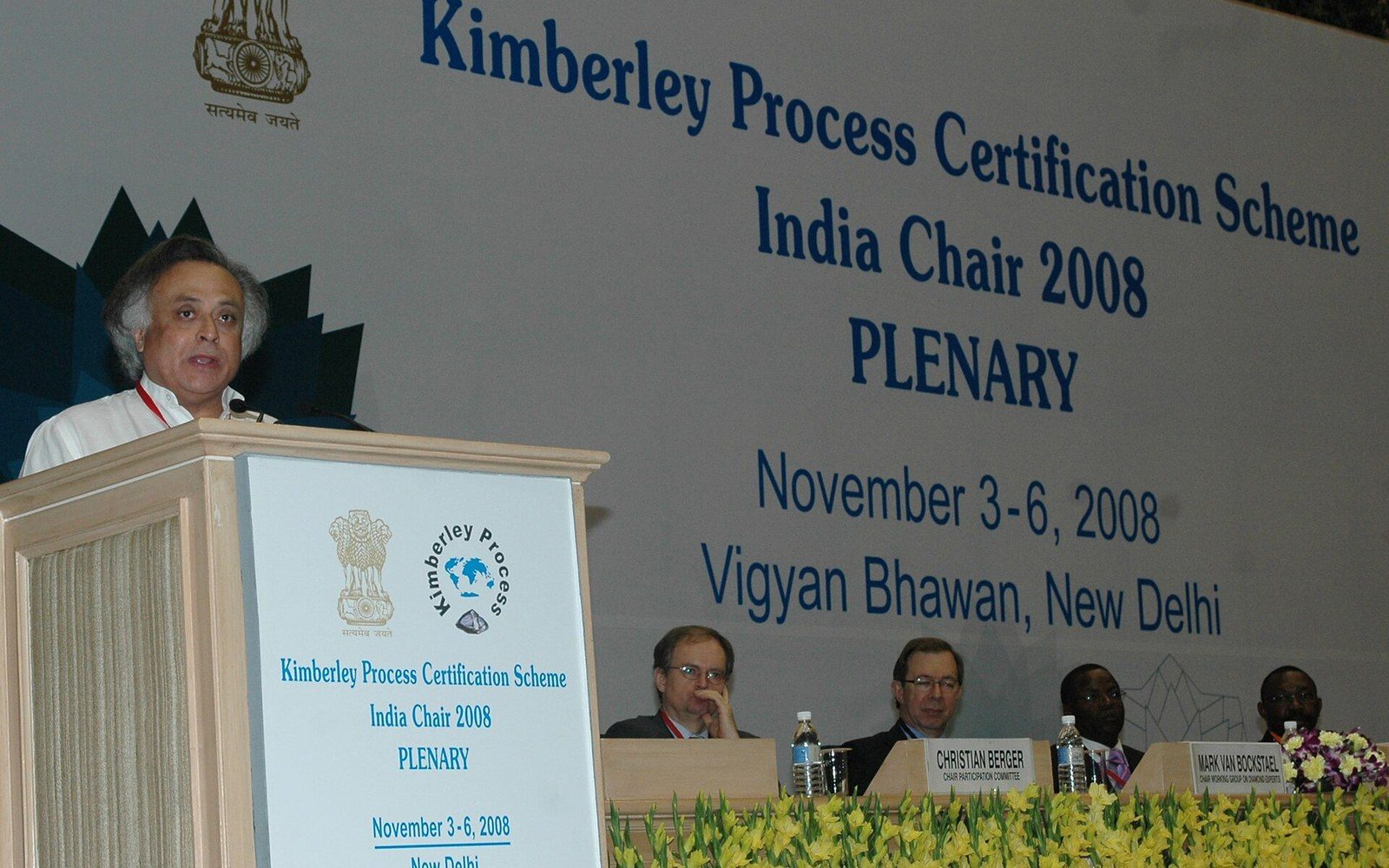
A speaker addresses delegates at the Kimberley Process Certification Scheme plenary in New Delhi

What the Kimberley Process Actually Certifies

Documents the 2003 Kimberley Process Certification Scheme — its scope (rough diamonds only, conflict-financing definition), its membership structure and the documented criticisms of its coverage gap.

Diamond
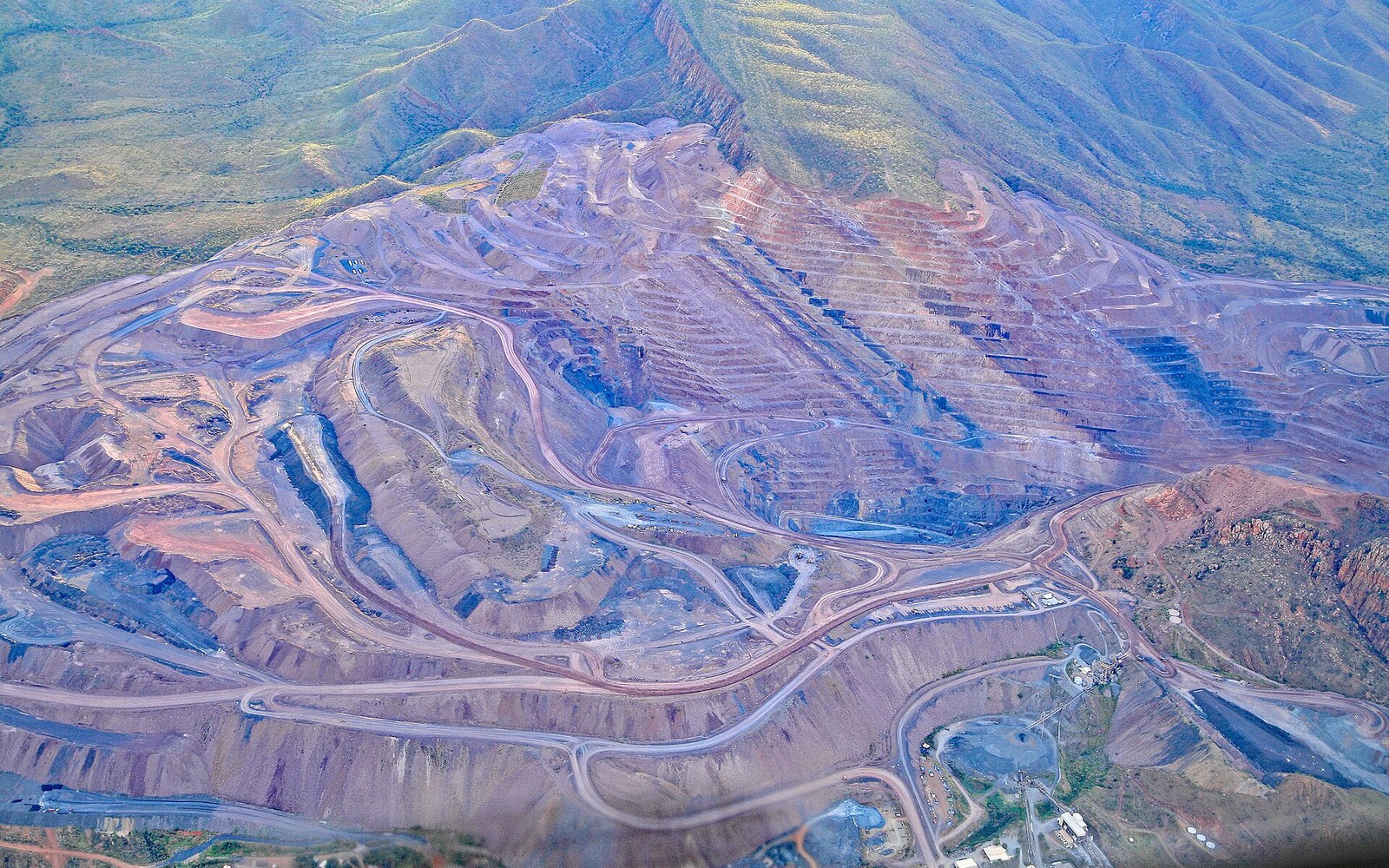
Aerial view of the terraced open-pit excavation at the Argyle diamond mine

Argyle Closed in 2020 and the Pink Supply Closed with It

Documents the Rio Tinto Argyle mine in the East Kimberley region of Western Australia — its 1983 opening, its role as the source of more than 90 percent of the world's pink diamonds (per Rio Tinto figures), and its November 2020 closure after the underground ore body was exhausted.

Diamond
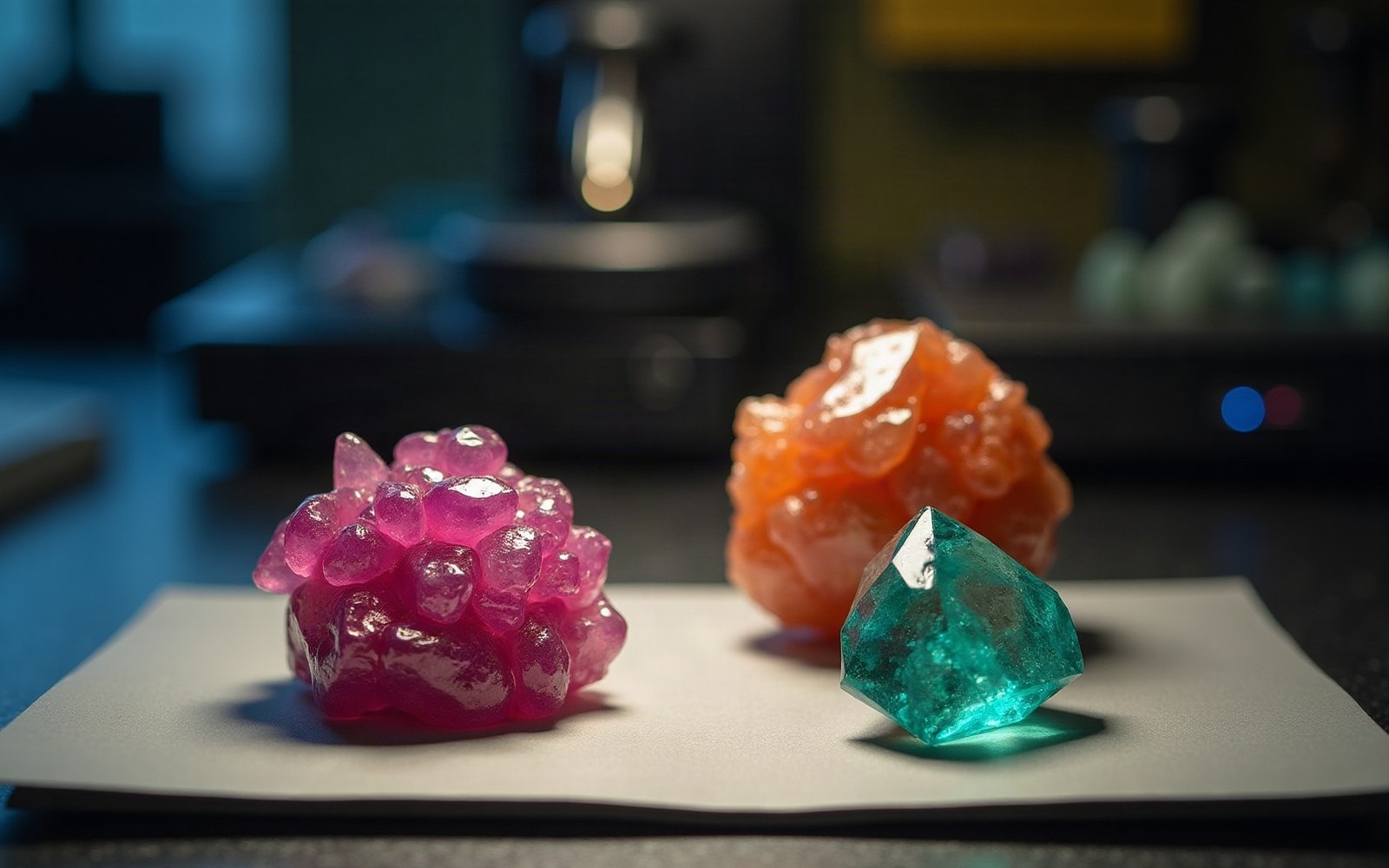
Pink, orange and teal crystal clusters displayed on a lab bench

Same Carbon, Different History

Explains the two laboratory production methods — HPHT and CVD — and the spectroscopic and inclusion-pattern markers that gemmological laboratories use to distinguish lab-grown from natural diamonds.

Diamond
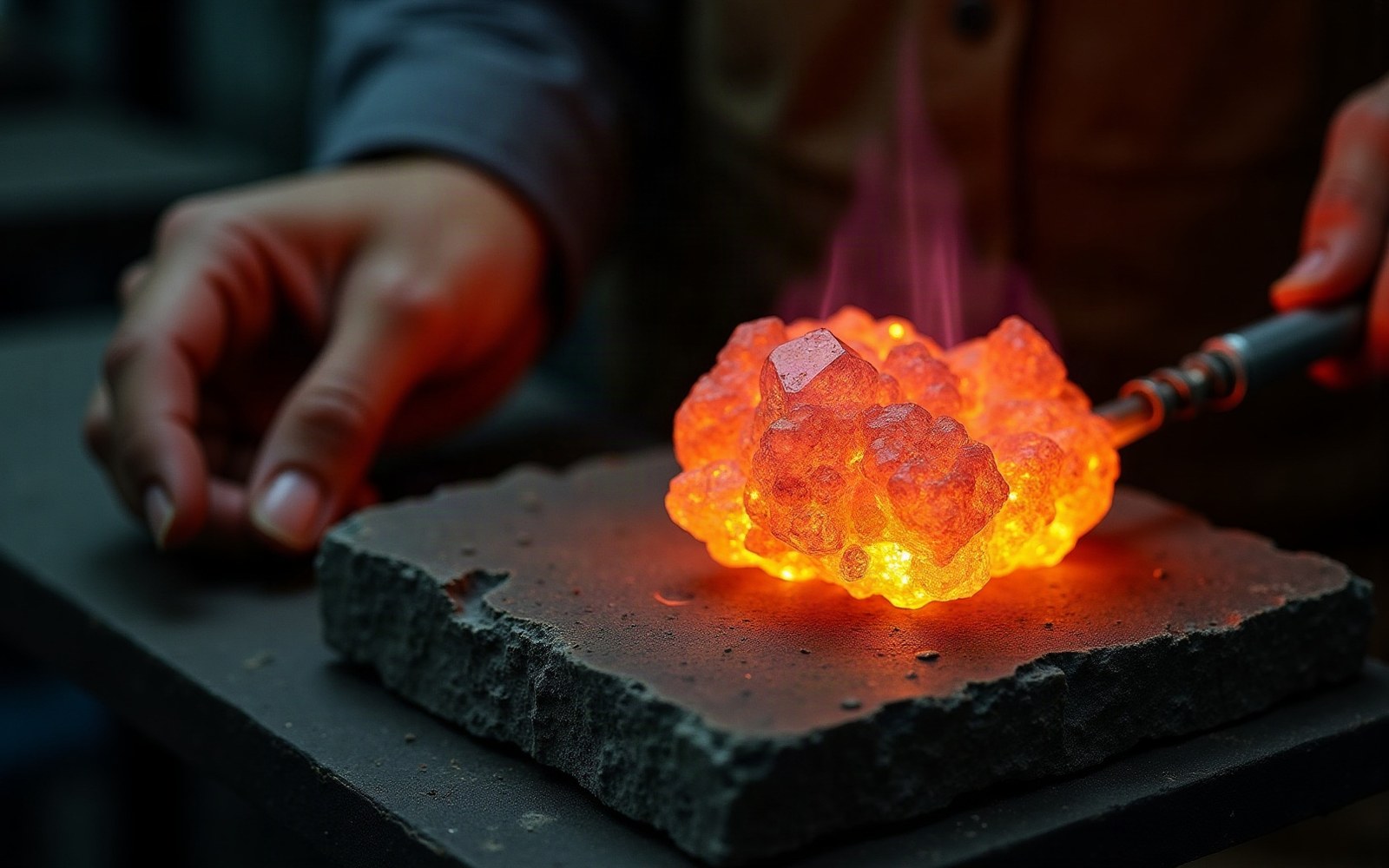
A glowing molten mass held with tongs over a stone slab as hands work nearby

Auguste Verneuil Grew a Ruby in a Flame in 1902

Documents Auguste Verneuil's flame-fusion process — aluminium oxide powder, hydrogen-oxygen flame, boule formation — and its 1902 publication, covering how synthetic corundum entered the watch-bearing and gem trade and how modern laboratories identify Verneuil material by curved growth striations.

Diamond

Everything in Diamond