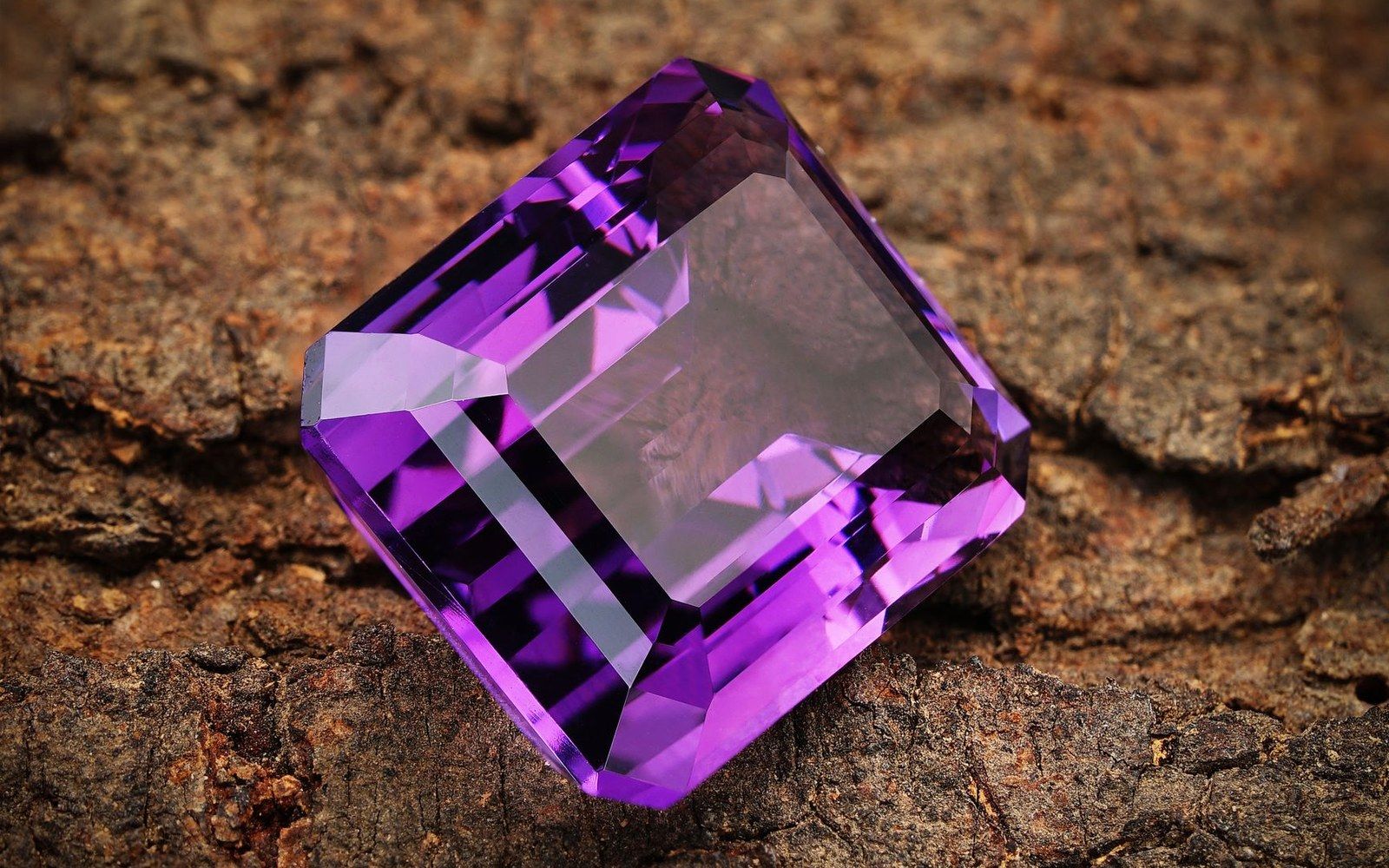
What Heat Does to Quartz
Natural citrine owes its yellow-to-orange colour to iron impurities and natural irradiation producing colour centres within the quartz lattice. Those colour centres are structurally distinct from the ones responsible for amethyst's violet. In practice, however, natural citrine is rare; most yellow quartz on the market began its life purple.
When amethyst is heated to roughly 470–560°C, its Fe³⁺-based colour centres reorganise. The violet disappears and a yellow or orange-brown hue takes its place — the same iron, reconfigured by thermal energy into a different electronic state. Smoky quartz, which derives its colour from irradiation-induced electron traps, undergoes a comparable transformation at lower temperatures, yielding a paler golden material sometimes sold under the trade name "golden topaz" or "Bahia citrine," neither of which is topaz.
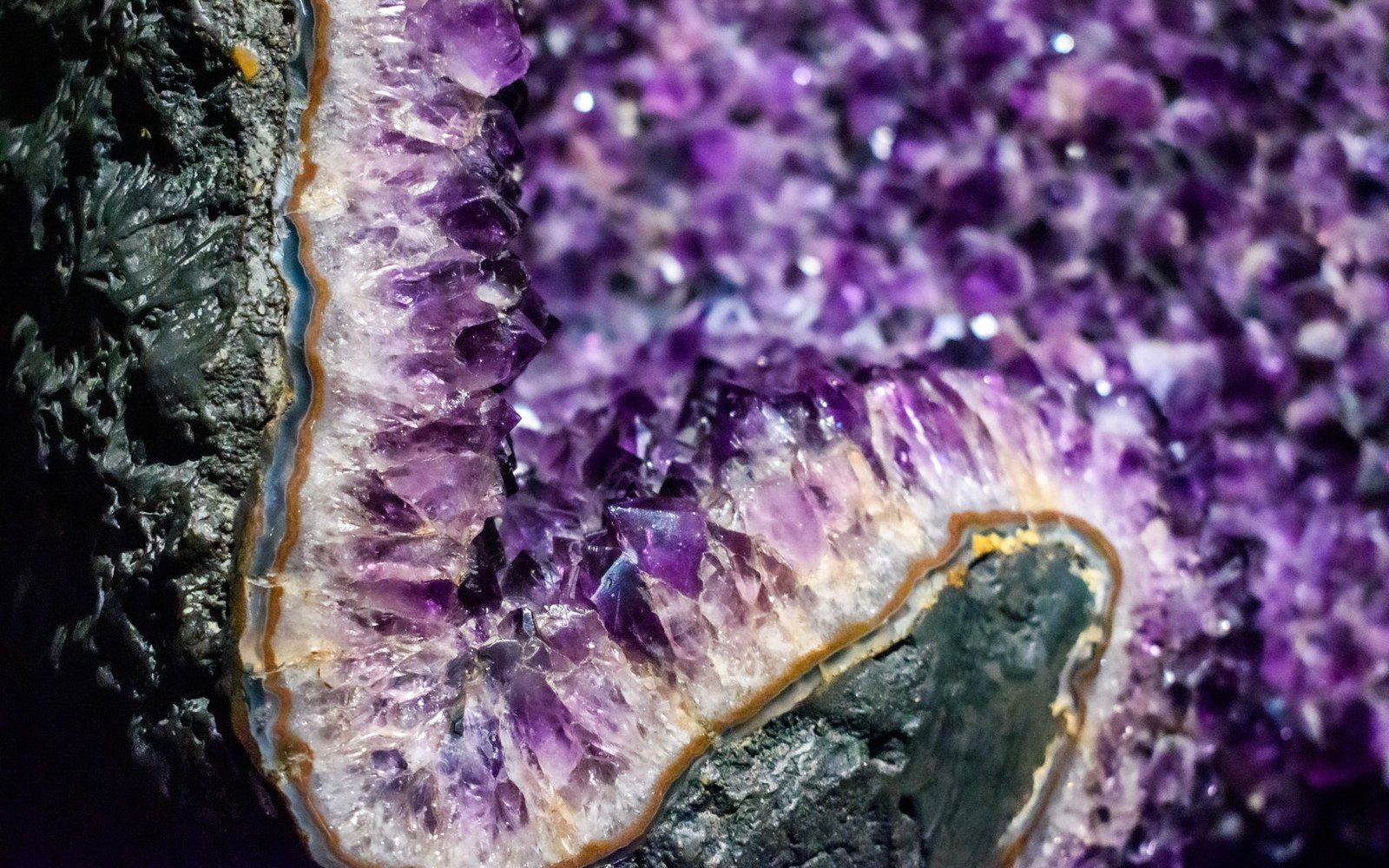
Also in Quartz: Purple Quartz, and Why Heat Turns It Yellow
Photo: Alex Szarka / Pexels
The practice is widespread. Brazilian material — Brazil being the world's dominant source of heat-treated quartz — is routinely processed in bulk before export. Rio Grande do Sul amethyst and material from the Marabá region supply the bulk of this feed stock.
What Laboratories Look For
The Gemological Institute of America treats heated amethyst as a disclosure-mandatory enhancement. GIA's research on colour-centre behaviour in quartz has documented the spectroscopic differences that allow trained gemmologists to separate natural from treated material.
The primary diagnostic tools are UV-Vis-NIR spectroscopy and infrared absorption. Natural citrine shows absorption features associated with iron in a specific coordination environment that differs measurably from the reorganised centres in heated amethyst. Treated stones frequently retain residual colour zoning — angular phantom zones of orange and brown — that mirrors the original amethyst crystal habit and is rarely seen in natural yellow quartz. Microscopic observation of inclusions can also help: healing fractures and fluid inclusions that show thermal alteration are evidence of post-growth heating.
The distinction matters in documentation terms even when it is invisible to the eye and irrelevant to durability. Both materials share quartz's hardness of 7 on Friedrich Mohs's ten-point scratch-resistance scale and perform identically in wear. The difference is one of geological history, and accurate laboratory disclosure is how that history stays on the record.
Related